
Twisters
Bottom line: Twisters is the perfect movie to see in the theater if you want to just kick back and let it take you on its ride, OR it’s the perfect movie to wait to see until it hits the streaming services. Having seen it in the theater, I would vote for the latter.
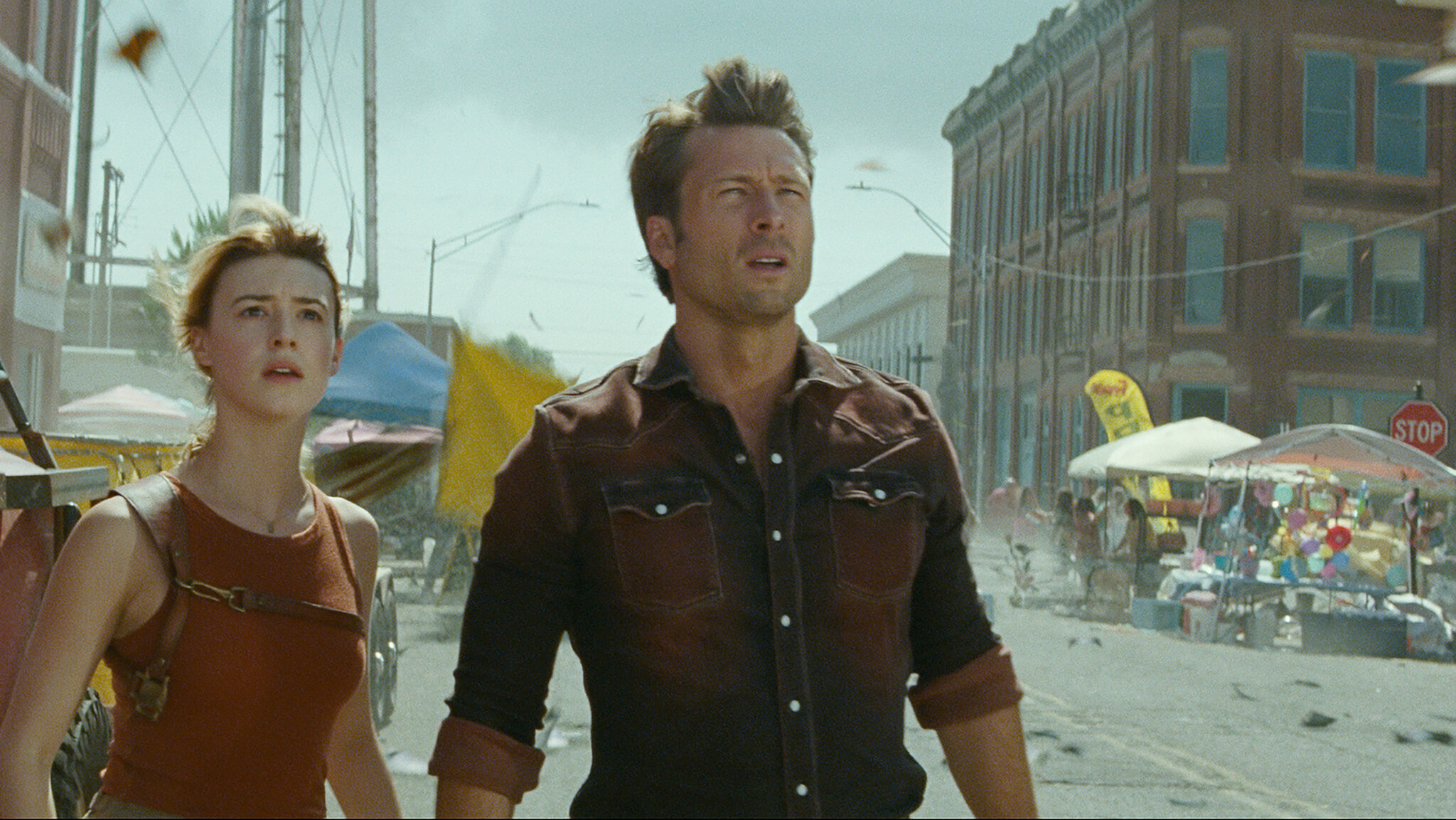
Twisters has been a hit, though not the monster hit that some are declaring. (The budget was huge, and the film has made the requisite “break-even” amount of about twice that budget.) I thought it would be the perfect summer date movie with my wife. And we both thought it was “fine,” though my wife’s first comment was that it wasn’t as good as it could have been—a quick take that is as accurate as anything else I’ve read or heard.
The original Twister was a big hit back in the day (1996), and while I always thought of it as just a fine, fun ride. Later, I came to see that while it wasn’t any kind of great film, it used film language in an intelligent way, and I used several scenes in my film class for years. I was aware that the new film was being presented as a kind of “stand-alone re-do,” but was interested in seeing how they were going to deal with the background of a big hit: were there going to be a lot of inside references, would they repeat some of the storyline elements, would some of the strengths of the original find their way into the new one?
Well, yes and no. Apparently some of the clothing choices of the main actress carry echoes of Helen Hunt’s outfits in the original (TBH, who cares?). There is also a kind of love story that is bumpy, and full of ups and downs, but with very different treatments. There is a charismatic leading man, though that role is treated quite differently in the new film, and the film takes its time in telling us who that leading man actually is. And there are tornados—lots of them.
The opening is great, and as powerful as this kind of film gets. Great action, high stakes, and unexpected and even shocking events. Then the credits come in, and the film never regains the heights of its first few minutes.
Twisters has proven to be a good choice for those looking for a decent action/disaster pic, but that doesn’t make it a good film, or one that will ultimately take its place right alongside the original. It tries—God knows it tries—but while the elements of this cinematic soup seem tasty, they never gel into a consistent whole.

Example: the lead female is the very talented Daisy Edgar-Jones (Where the Crawdads Sing, “Under the Banner of Heaven”), but her character eventually becomes LESS defined as the film progresses. She is presented as strong and smart (like Helen Hunt’s character) and has a traumatic experience in her past with a tornado (like Helen Hunt’s character). But when her not-that-terrible challenging moment comes to her, and everything is at stake (spoiler alert), this strong and capable woman whiffs it at the most important moment. Unlike the original, there is a kind of very ill-defined “love” triangle that teases in a couple of unsatisfactory directions, unlike the Bill Paxton-Helen Hunt electric give and take of the original.
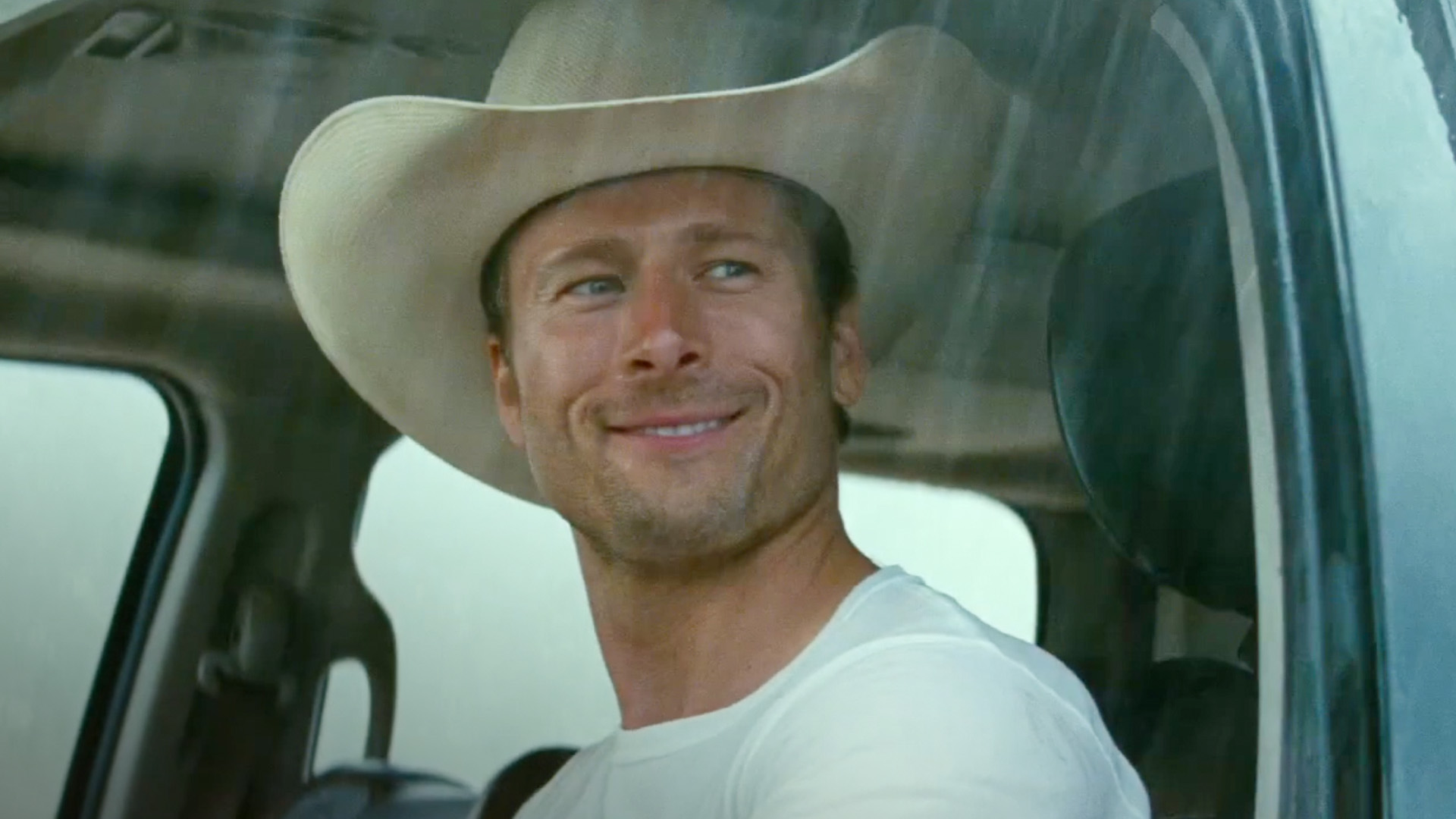
The other lead is the “it” boy of the moment, Glen Powell, playing the most Powell-y character yet. Powell (the dreadful Anyone But You, and the good but greatly flawed Hit Man) digs energetically into playing a cocky guy from the moment he explodes on the screen, which comes later in the film than you might imagine, and which then recalibrates everything that came before. Powell is a good actor whose range is at yet unexplored, but he certainly knows how to burn up a screen, and Edgar-Jones’s character Kate is simply no match for him. As noted on a recent podcast, the two actors have chemistry, but their characters strangely don’t. (Spoiler alert again: This is where the “they don’t kiss” thing comes from—a good decision.)

Anthony Ramos (In the Heights, Hamilton) is a good actor, and I can’t decide if he is just miscast here or slotted into a thankless role that has him spouting dialogue that he must have had to swallow hard to say. My guess at the moment is both, and while he is assured of a successful career, this film won’t be one of the highlights.
As in the original, the “going back home even when it’s difficult” plotline is repeated here. Fortunately the wonderful Maura Tierney is Kate’s mother, which rescues the scenes from any sense of it being a scene that just had to be included to echo the original.
One huge difference between the two films is the role of the tornado. The new film’s take on that phenomenon separates it from Twister, and ultimately weakens the film. In the original, the storms went from being scientific endeavors to being in the center of both the main relationship and a monster from Helen Hunt’s character’s past that had to be faced head-on and triumphed over. In other words, the twisters were contained and allowed to be wild and crazy occurrences but also metaphors and emotionally/romantically profound experiences.
Twisters tries to make all that happen again, but director Lee Isaac Chung (Minari—yes, that Minari!) and, I assume, the four contributing writers, continually pull away from the main characters to display the devastating destructive power of tornados, and the human and economic toll they take on communities. This pulls the central action events away from our leads and any meaning or resonances that they might have had there. Since we are told repeatedly that the weather events in the film are unprecedented, the film veers toward a climate change statement without ever stating those two words. For those who want a socio-political statement, it deliberately falls short on. For those wanting a more thorough and meaningful connection between the tornadoes and the complex lives of the main character, the film simply fails.

The one delightful surprise of the film is the appearance of “Downton Abbey” actor Harry Hadden-Paton (he played Lady Edith’s eventual husband) as a “what are you doing in this film?” British report who provides blessed comic relief while still holding onto his character. It makes no sense for his character to be in the film, and the film is all the better for it.
Of course the special effects have developed greatly in the last quarter century, and the spectacle is essential to the enjoyment of the film. But ironically, the phenomenological effects of the storms have little effect on the internal lives of the character. Ultimately, it was a fun ride with some enjoyable actors, and it all fell out of my brain just a few hours afterward.


 Film stuff by Mark