
Within a short period of time, I saw a $400,000,000 behemoth of a film, and right after, a short and narratively tight $60,000,000 film. I enjoyed the smaller film.
The first, of course, is the third installment of the Avatar films, Avatar: Fire and Ash. The second, Mercy, to my great surprise, bumped Avatar off the top of the charts for this past week as I write this. I never would have seen that coming.
Avatar: Fire and Ash
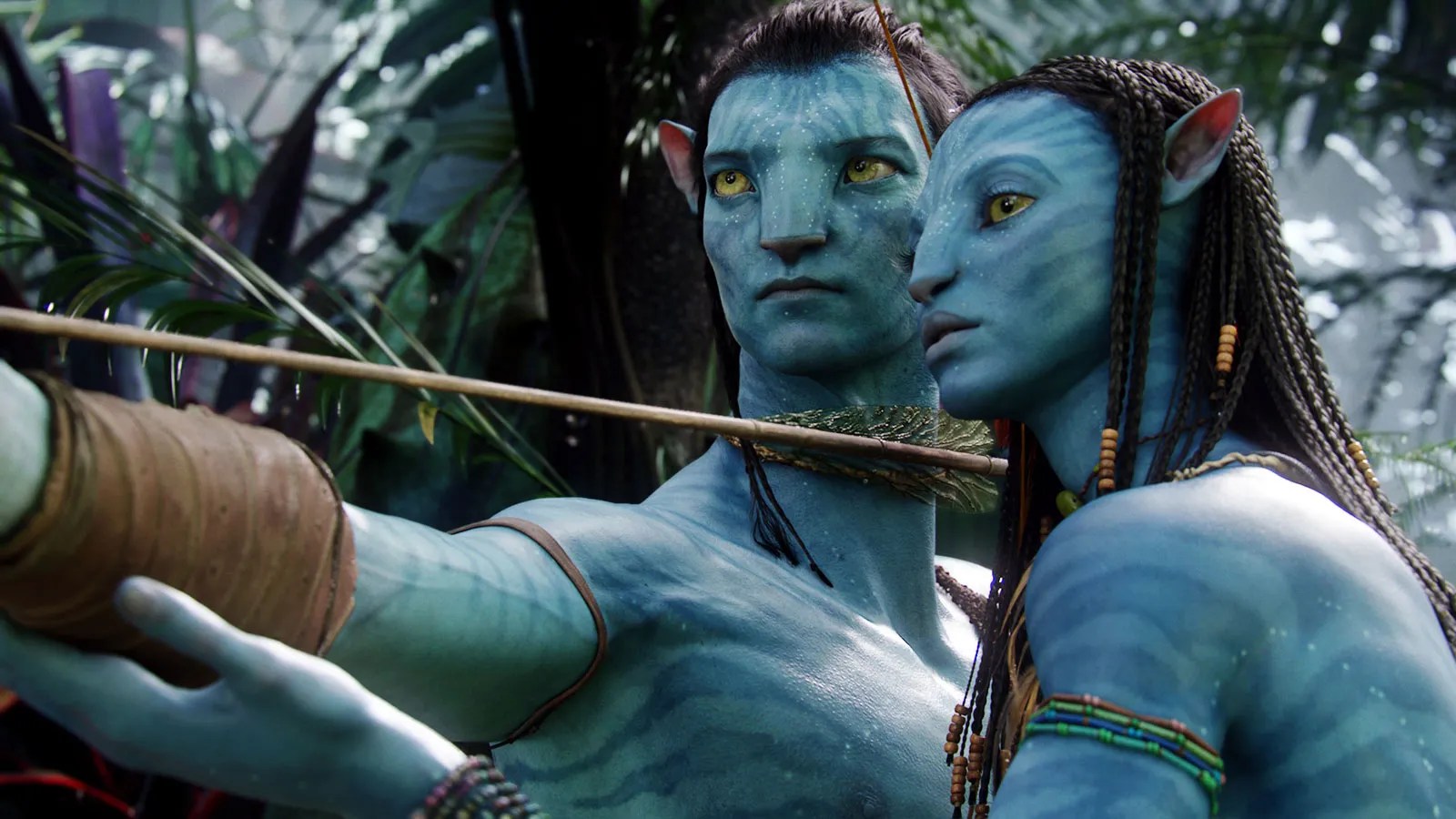
My eyes were both dazzled and slightly glazed over watching AFA. Of course, the world of Pandora is more beautiful and shimmering than ever, and director James Cameron is clearly advancing the world of visual technologies. But as ever, he is not the strongest of screenwriters and engaging narratives (though he shares writing duties here with Rick Java and Amanda Silver). He manages to venture out into a more layered approach to family relationships, moving past husband and wife to a strong emphasis on parent/children and sibling relationships: teens being punks to parents and each other, brother-sister rivalry, and the issue of bring non-related folks into the family.
But while more is explored here—after all, the movie is three and a quarter hours—there is nothing new or fresh. Cliches abound in the dialogue as well as in the situations outside of the “let’s get Sully” backstory. Perhaps the most “interesting” play on this is an awkward nod to the Bible’s Abraham and Isaac interaction, but the reference adds nothing of resonance to the action, and in fact, seems to undercut the meaning and emotion of it all.
Then there are the new bad guys, including the bad girl. The new girl is a riff on the femme fatale of noir cinema, but she is so shamelessly slinky in looks and behavior that it’s laughable. I was just glad she was dressed in a great deal of red, because the film could have been titled Avatar: One Battle After Another; there was such a swirl of creatures of various looks and intentions that it was hard to keep track of the players. There is no need for any film to have so many nonstop skirmishes unless it’s to spend more time in this visually stunning world. But that’s not enough anymore.
The “humans bad, blue creatures good” trope is getting a little old. The Avatar films are of course Dances with Wolves on Pandora, but as that film demonstrates by omission, there is always a place where nuance might be introduced. And then there are the nature worship and new age worship raves that abound. It looks like a combination of a Studio 54 party and a gathering of drugged, semi-sentient, semi-conscious demoniacs.
The fading interest in the Academy is clear:
Avatar—three wins out of nine nominations, including Best Picture
Avatar: The Way of Water—one win out of four nominations, also including Best Picture
Avatar: Fire and Ash—two nominations, not including Best Picture (it has a good chance of winning Best Visual effects again, but who knows?)
The box office shows the decline as well, though this is clearly a great run:
Avatar: $2.9 billion
Avatar: Way of Water: $2.3 billion
Avatar: Fire and Ash: $1.4 billion so as of 1/25
There are reports of another two sequels at least. Please, Mr. Cameron, use this incredible visual platform you’re created for something new dramatically.
Mercy
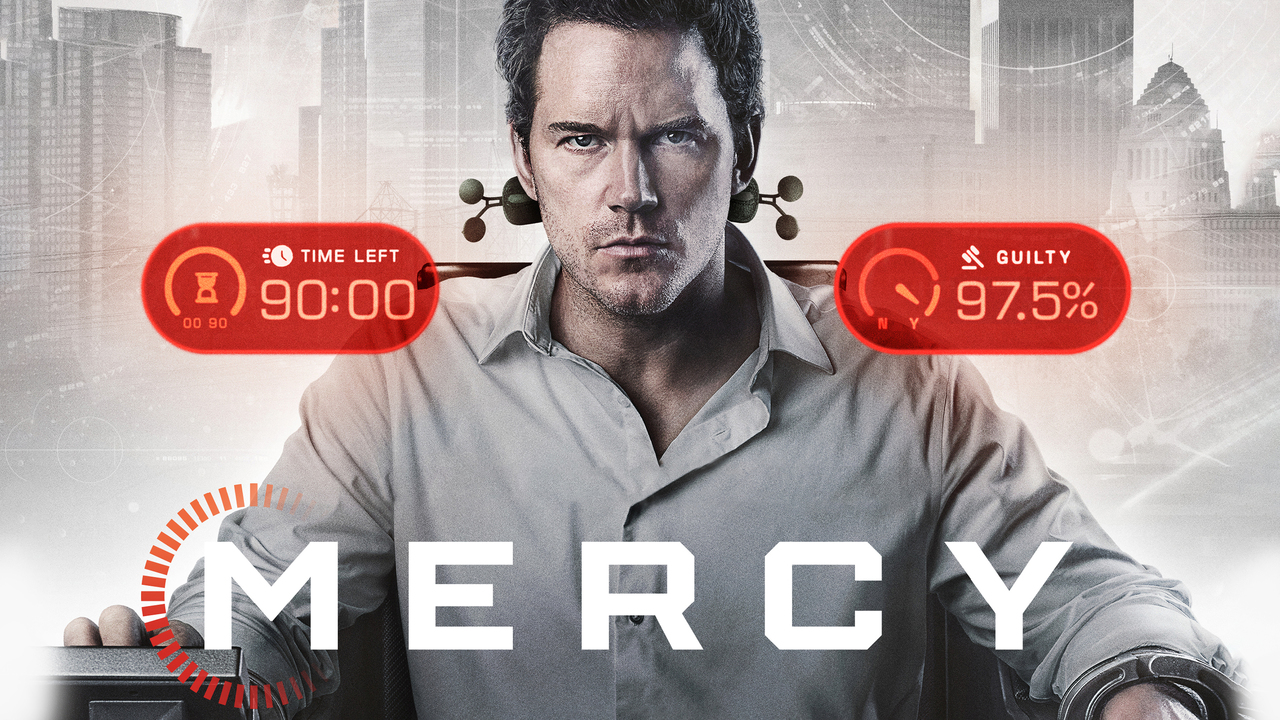
Mercy, on the other hand, is a small, laser-focused film with a great elevator pitch: Detective wakes up in a chair in the near future, and discovers he has 90 minutes to live if he can’t prove his innocence on a murder charge. His “handler” is an AI woman played by Rebecca Ferguson, who is nearly emotionless and is the epitome of legalism itself, but eventually comes close to (oh, never mind, spoiler alert). Other characters are introduced, but this is essentially a two-character film surrounded by readily-available visual content from every source imaginable—think Minority Report and Enemy of the State having a movie baby.
The film was made a couple of years ago and was released in January 2026 so as not to compete with seasons that were busier. Since January and February are generally considered the months where lesser films are dumped, it seems to have been a good strategy. Lead actor Chris Pratt was surprisingly good as a serious actor, and his comic persona disappears quickly as the film begins. Ferguson is necessarily more one-note of course, and there are some moments that were hard to play as her character was challenged.
The film builds nicely as the scenario unfolds and a few different characters are brought in. The reasons for the set-up and the gradual unveiling of the plot against him proceeds with energy and tension until the last 10 minutes, when the wheels fall completely off the cart. And it wasn’t even necessary. We were moving along fine even when a “this time, it’s personal” element is added (bad enough), and then at the last moment, we get a revelation of one more layer of deception that seems to come out of nowhere. There is little presented earlier to make this revelation resonate, plus it neutralizes the one thing that could have elevated Mercy above the usual action genre film. There is a question of guilt that runs alongside our main character’s, and it could have made for a powerful and provocative ending. But then, it would have made us think and muse, and that’s not what this movie wanted to do.
Bottom line: All in all, the simple tense drama of Mercy at just over an hour and a half was more of an enjoyable time at the movies than Avatar: Fire and Ash at more than twice the running time. And thank God for a movie well under two hours!


 Film stuff by Mark