
Melodramas have a bad reputation, as if this were a lesser genre than say, the musical, action/adventure, the biopic, the suspenseful thriller, and horror. But Gone with the Wind was a melodrama, as was Titanic. More recently, Manchester by the Sea, The Whale, Emilia Perez and even The Iron Claw can be counted as among that lot. It’s true that some melodramas are overacted and reek of schmaltz, and some are downright laughable (no examples—I’ll be kind).
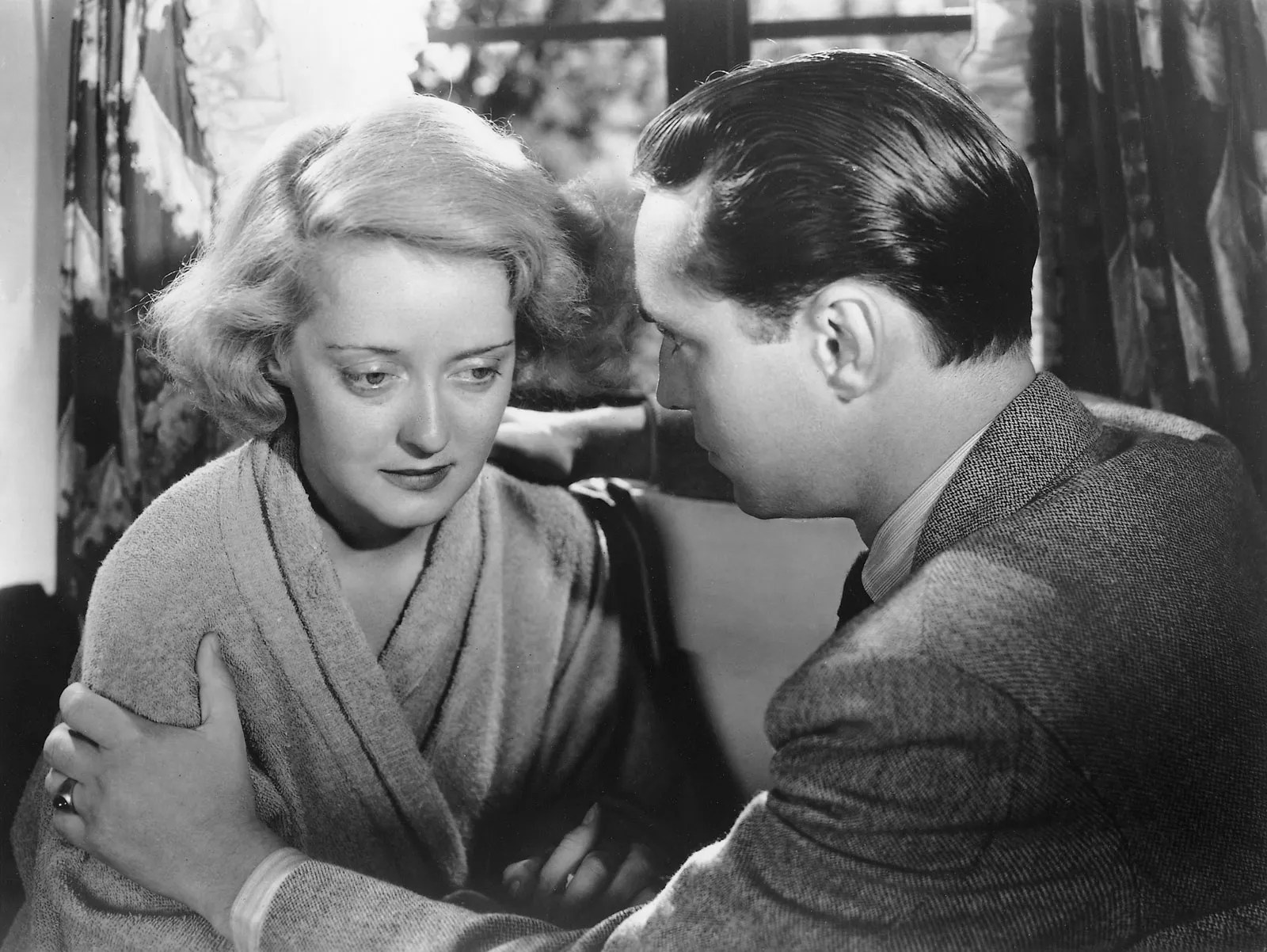
Dark Victory does double duty for the modern viewer as a shining example of a classic melodrama and a model specimen of a well-made Hollywood studio film. The story—don’t worry, the film basically opens with the central issue—is of Judith, a rich and spoiled party girl who has a terminal brain tumor. Will she be told of this by her doctor? Will she fall in love with said doctor? The plotline provides some element of suspense and romance, but that’s not the point. One point is Bette Davis in one her best performances and the other is the solid direction by Edmund Goulding (Best Picture Grand Hotel, The Old Maid, The Great Lie).
Davis is intense as always but reveals moments of heartbreaking vulnerability. She sweeps through the film, adding her own energy to every scene. Even when the director chooses to shoot her from behind, her dynamism is palpable. Yes, this is the intelligent, clipped, and direct Davis we all know and some love, but Goulding keeps her contained so that her gradual realization of her condition, her first response to it, and then her final response are all of a piece with a minimum of mannerisms and a great deal of depth.
Davis had just won two Oscars for a 1935 film (Dangerous, a consolation Oscar for her ignored Oscar-worthy performance in 1934’s Of Human Bondage) and for Jezebel in 1938. Were it not for the Oscar juggernaut Gone with the Wind and the dazzling performance of Vivien Leigh as Scarlett O’Hara, Davis would have won her third Oscar for this, as we know that she came in second in the balloting. Just one viewing demonstrates why.
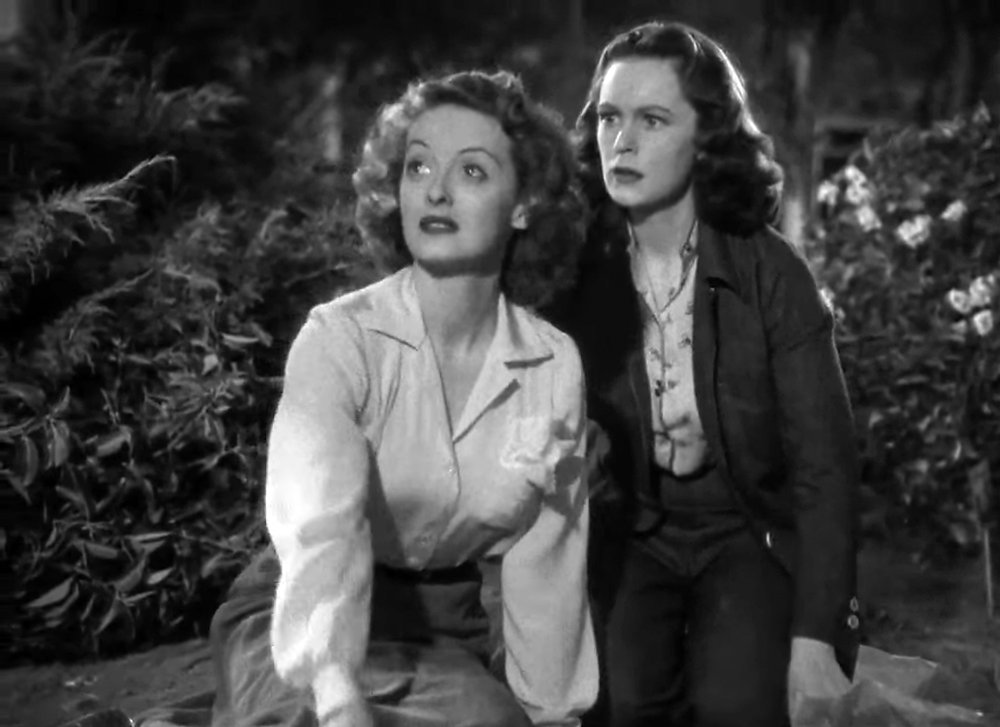
Geraldine Fitzgerald in two supporting roles had a great 1939, with this film and Wuthering Heights released at practically the same time. She won acclaim for the former, and an Oscar nomination in the latter. Rumor has it that she was a difficult performer to work with, which might explain why a career with such an auspicious beginning didn’t achieve greater heights. In Dark Victory, she is Judith’s best friend, and her tender characterization and its stabilizing influence on Davis (as actor and character) is part of the film’s strength.
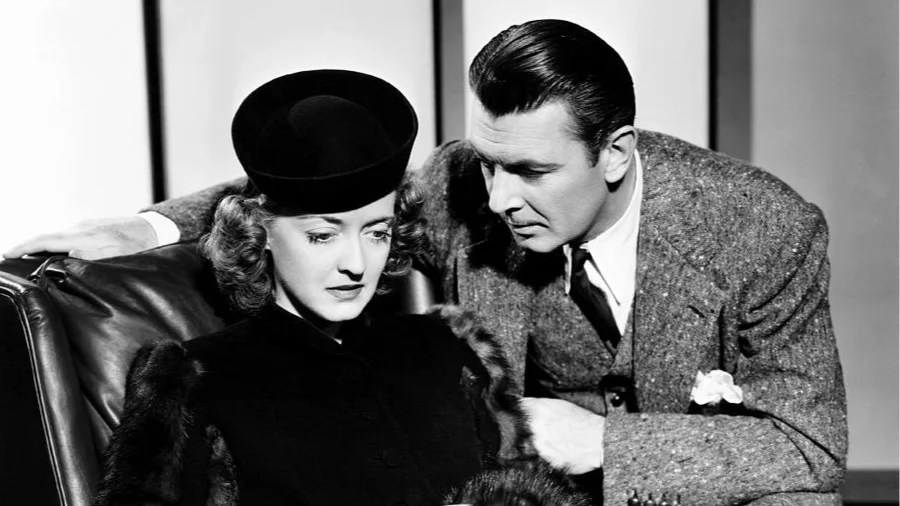
The film also features three male performances that are fascinating for different reasons. The leading man, George Brent, made a total of 11 films with Davis, and reportedly began a long affair with the on-the-verge-of-divorce actress around this time. One can see why Davis so enjoyed having him as a leading man; he is on the cusp of being generically handsome in a way that never detracts from her, and his acting is solid enough to handle the tornado that was Davis. He’s fine, does solid work, and is instantly forgettable.
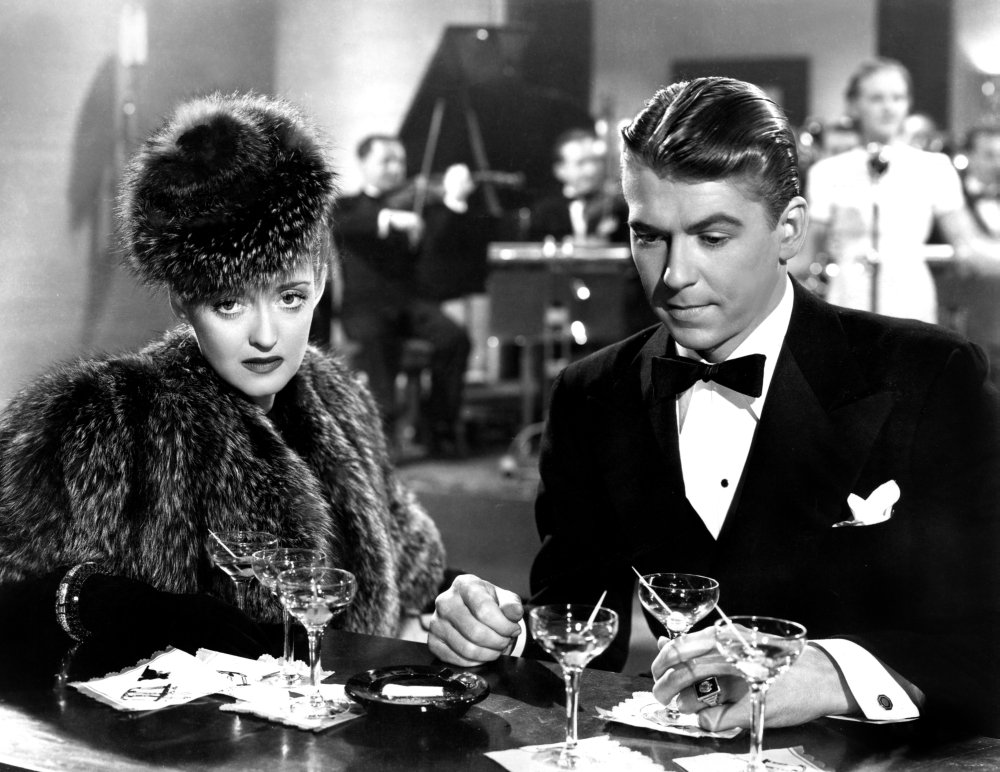
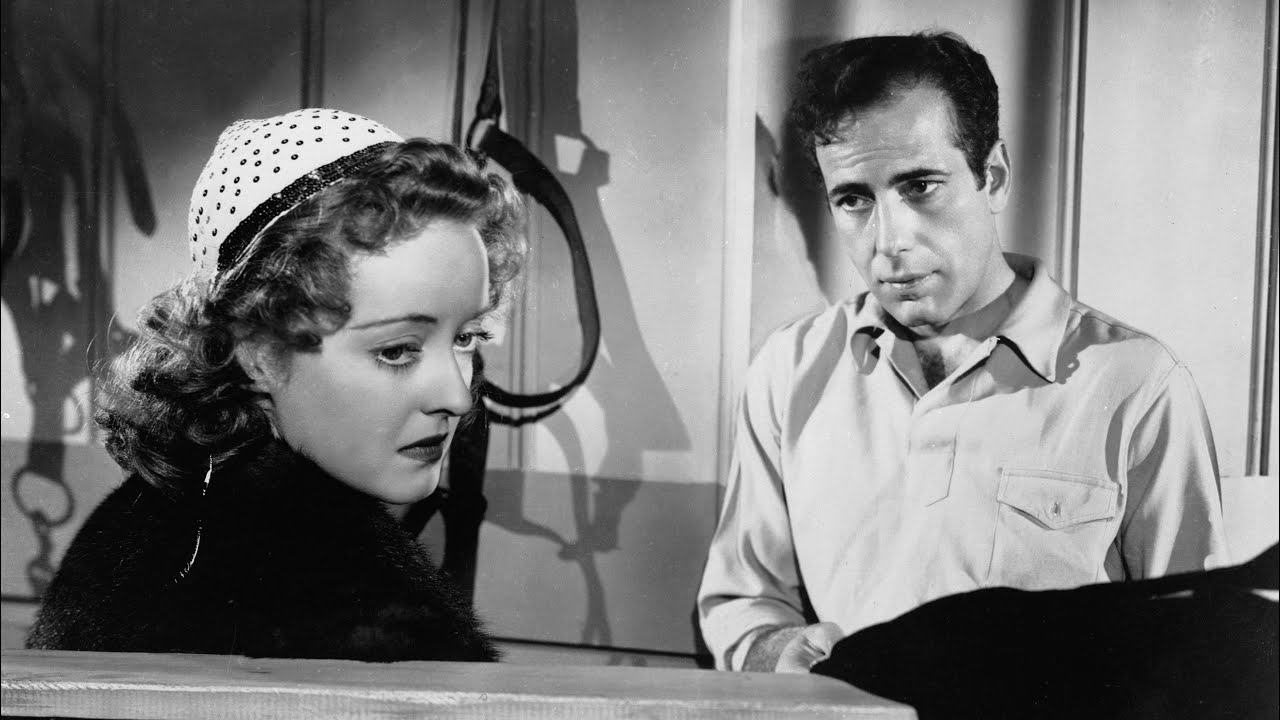
Then there are the other two, who have smaller roles. One is a party friend of Judith who appears here and there, and. mostly at least two sheets to the wind. He’s played by a relatively new Warner Brothers actor named Ronald Reagan, pre-Knute Rockne, All American and King’s Row, where he did his best work. He’s fine here, but nothing special. The other is an oddly cast Humphry Bogart as an Irish stable hand. His character is tangential until it isn’t, and he ultimately earns the viewer’s respect and admiration. His Irish accent varies so wildly that that can be distracting if you let it. But watch when he appears. He owns the screen in spite of the secondary nature of this character, and leaves a greater impression than either Brent or Reagan. Bogart had made a strong first film appearance in a film that starred Davis (Petrified Forest), and he was just a short time away from becoming a star with The Roaring Twenties, High Sierra and The Maltese Falcon.
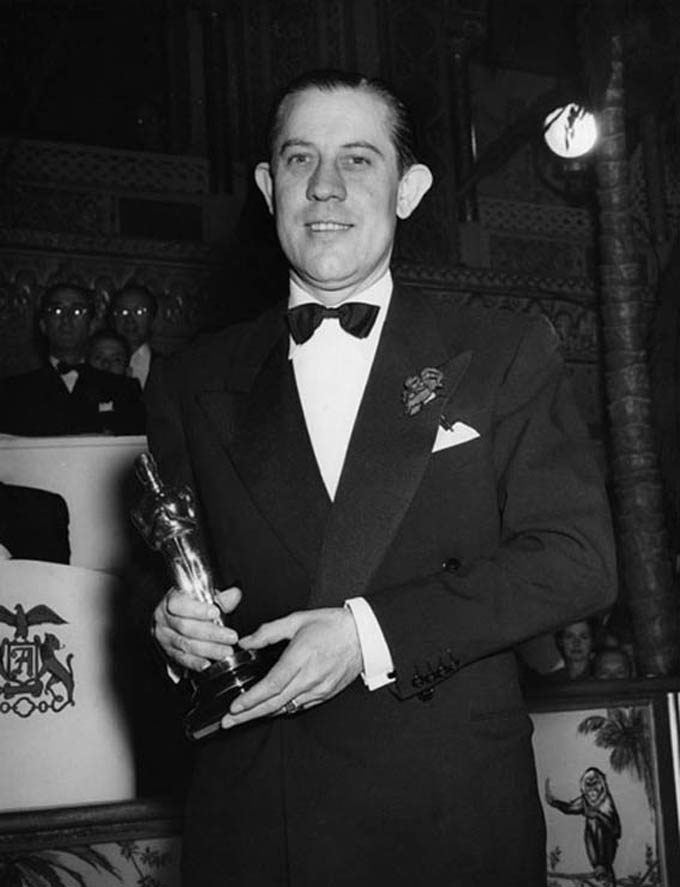
Davis’s favorite cinematographer Ernest Haller was on duty for the film, as he had been for many of her films, e.g., The Rich are Always With Us, Dangerous, Jezebel (his first Oscar nomination), as well as his future work with her in In This Our Life, All This and Heaven Too, and Whatever Happened to Baby Jane? MazxDavis prized him for knowing how to photographer her “difficult” face. Note: Joan Crawford grabbed him for her Oscar-winning turn in Mildred Pierce—for which he received a nomination, and oh, yes, his work on Jezebel brought him to his Oscar-winning work on Gone with the Wind. He not only knew how to photograph his female stars to their best advantage, but he could create the kind of sharp imagery that Warners was known for and at which MGM would be appalled. No Vaseline on the lenses here, and no soft focus until the last shot.
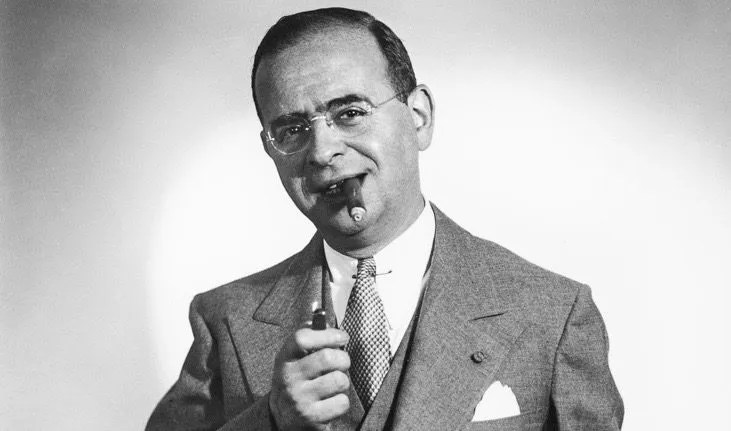
The legendary Max Steiner did the music and was nominated for an Oscar for his work here. He also happened to do the music for Gone with the Wind that year, but despite that film’s legendary and memorable music, he wasn’t nominated for that. (In either case, the award that year went to The Wizard of Oz.) Steiner won his Oscars for The Informer (1935), Now, Voyager (1942, and another Davis vehicle), and 1944’s Since You Went Away. But he also received nominations for Jezebel, The Letter, and Beyond the Forest—two great Davis vehicles and the one that nearly destroyed her career. Beyond his work with Davis, he was nominated for The Garden of Allah (1936), Casablanca (1943), Life with Father (1947), Johnny Belinda (1948) and The Caine Mutiny (1954). Quite the career.
Yes, Dark Victory is a three-hankie film for many folks, and unashamedly so. But melodrama in the hands of great actors such as Davis, technicians like Haller, and no-nonsense directors like Goulding can yield remarkable examples of the genre. Many films are hidden melodramas, but Dark Victory takes evident pride in being a grand example of a story that is unfailingly emotional. If there is corn, it is practically drowned out by great acting, brisk Warner Brothers pacing, and crisp cinematography. The film is primarily remembered for Davis, but there is so much more to enjoy.


 Film stuff by Mark