
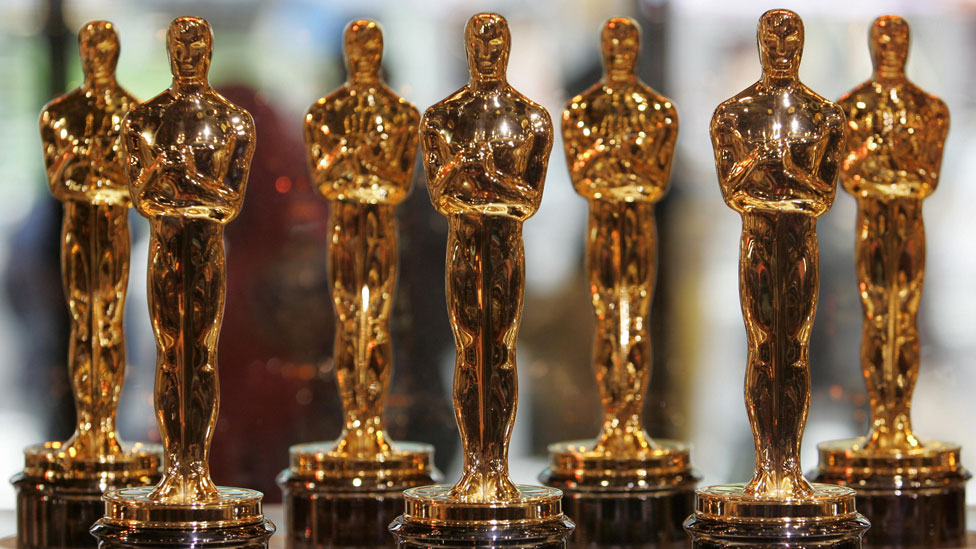
Film awards season is upon us officially with the Golden Globe awards, and while the various minor award-giving groups seem to be multiplying like shmoos, there is just one Great Prize—the Academy Awards. There is an annual cottage industry working to predict what films might win what at this time of year, but we look in vain for any single explanation to why a film wins an Oscar.
There are a lot of factors that go into Oscar victories, and every year there are also head-scratchers. Some winners gave great performances the years they won, and that is the reason for the win: Vivien Leigh in Gone with the Wind and A Streetcar Named Desire, Marlon Brando in On the Waterfront and The Godfather, Meryl Streep in Sophie’s Choice, Robert DeNiro in Raging Bull, Anthony Hopkins in The Silence of the Lambs and The Father, Casey Affleck in Manchester by the Sea, Marion Cotillard in La Vie en Rose, and Daniel Day-Lewis in anything, just to name a few. Other wins were good, but they also had powerful forces of personality or nostalgia behind them.
There are innumerable stories behind yesteryear’s unworthy Oscar wins. There was the Louis B. Mayer factor, which led to such wins as The Broadway Melody (1929) over any number of better contenders, and Robert Donat’s win in Goodbye, Mr. Chips (1939). More recently, there was the Harvey Weinstein factor, which led to the Best Picture Award for The English Patient (and Juliet Binoche’s win for Best Supporting Actress) over Fargo and Jerry Maguire (1996). Perhaps most famously among recent films, Shakespeare in Love won over Saving Private Ryan (1998), Chicago over Gangs of New York or The Pianist (2002), The King’s Speech over The Social Network (2010), The Artist over several other better films, to everything connected to The Cider House Rules, Life is Beautiful and the forgettable Chocolat. There are acting wins that he was able to finagle as well (see Binoche’s above), some of which have not dated well at all, e.g., Renée Zellweger, or were simply a case of “Category Fraud,” as in Kate Winslet for The Reader.
Then there are the career wins, which may or may not have much to do with the quality of the work. Here are just some of them:
- Mary Pickford, Coquette (1930)
Note that all the rest listed here are for Best Performance by an Actor in a Supporting Role.
- John Mills, Ryan’s Daughter (1970)
- Ben Johnson, The Last Picture Show (1971)
- John Houseman, The Paper Chase (1973)
- George Burns, The Sunshine Boys (1975)
- John Gielgud, Arthur (1980)
- Don Ameche, Cocoon (1985)
- Jack Palance, City Slickers (1991)
- Alan Arkin, Little Miss Sunshine (2006)
- Christopher Plummer, Beginners (2011)
Pickford’s award was clearly not based on her inferior performance, but was an award for her legendary work as an actress and producer in silent films. The rest include performances that were good to great, but there is an element of the career reward in all those wins.
Then there is the story of the “Oops, sorry, we probably should have given it to you last year or so”) awards. This happens when a great performance loses out to a lesser one, and the Academy feels guilty and wants to atone. Sometimes that consolation prize is for good work. Many times, it’s not.
THE LADIES
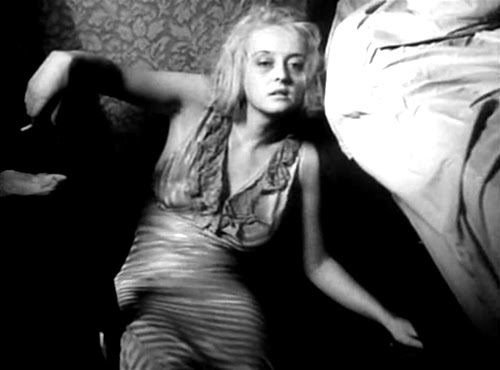
Bette Davis in Dangerous (1935). This is probably the most famous of consolation prizes. Davis, after a few years in minor roles, burst on the scene as Mildred in Of Human Bondage. This was a solid acting year, if not a great one. Claudette Colbert won Best Actress as part of the sweep that was It Happened One Night. The other nominees were Grace Moore for One Night of Love and Norma Shearer for The Barretts of Wimpole Street. Two great performances were not even nominated. One was Myrna Loy in The Thin Man, and the other was Davis’s in Of Human Bondage. The voters staged a dramatic write-in vote, and there are rumors that her write-in brought her into second place. So for 1935’s Dangerous, Davis won for Best Actress for a solid but hardly stellar performance.
(The Academy had a write-in winner the next year for the dreamy cinematography for A Midsummer Night’s Dream, the only write-in nominee to have ever won the Oscar.)
Joan Fontaine in Suspicion (1941). Some might argue that she deserved her Oscar for Suspicion, while others think this was to make up for not winning it for the previous year’s Best Picture winner, Rebecca. She’s fine in both, but certainly not better than Bette Davis in The Little Foxes, or Fontaine’s sister Olivia de Havilland in Hold Back the Dawn, or Barbara Stanwyck for Ball of Fire. With that line-up, it looks more and more like a barely-deserved consolation prize.
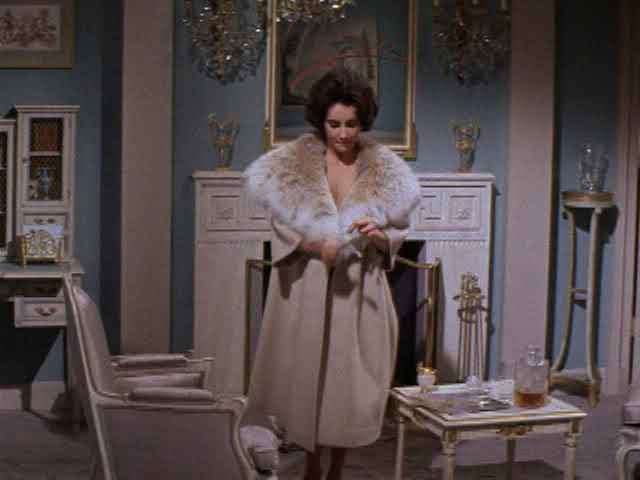
Elizabeth Taylor in BUtterfield 8. Taylor had been nominated for Raintree County (1957), Cat on a Hot Tin Roof (1958) and Suddenly, Last Summer (1959), a streak that put her into Bette Davis and Greer Garson territory in terms of consecutive nominations. Her work in BUtterfield 8 is “fine” but that’s all. But, hey, she almost died making Cleopatra, so the sympathy vote was hers, even if the performance wasn’t deserving.
Nicole Kidman in The Hours (2002). Kidman was nominated the year before for Moulin Rouge! and didn’t win. Her performance here should have been in the supporting category, but with her miss the year before, and without a standout performance that year, the Academy gave her a career award.
Kate Winslet in The Reader (2008). Like Kidman’s win in The Hours (and looking forward to Viola Davis’s win in the wrong category for Fences), she was put in this category precisely so she would win the prize. This was the way the Academy chose to reward her work in the lead roles for Titanic (1998), Eternal Sunshine of the Spotless Mind (2005), and Little Children (2007). A great actress who won the award for the wrong film in a fraudulent category.
THE GENTLEMEN
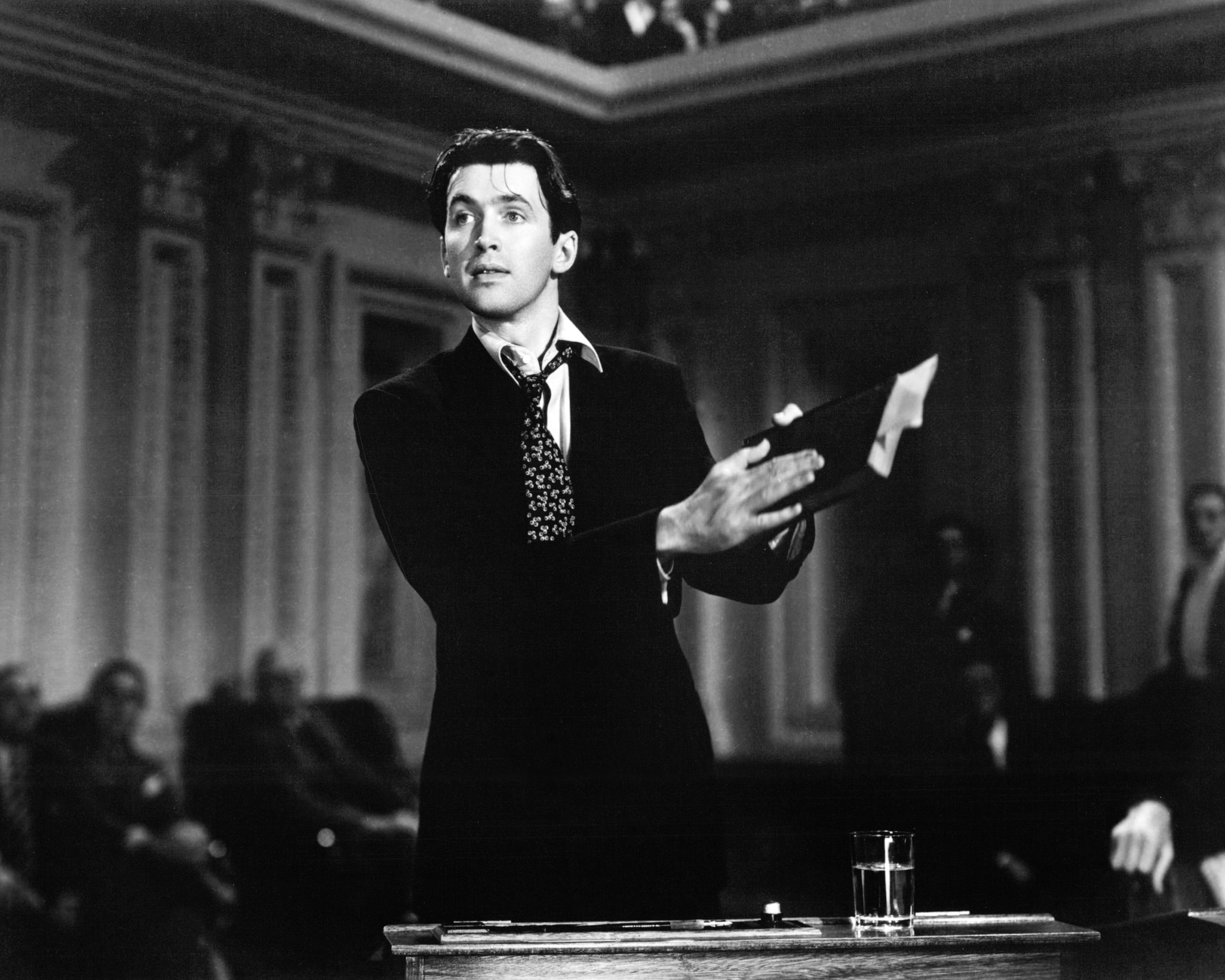
James Stewart in The Philadelphia Story (1940). This is probably the most famous example of an actor award win coming right after the deserving performance lost. The deserving one was Stewart’s work in Mr. Smith Goes to Washington. (Clark Gable in Gone with the Wind and Laurence Olivier in Wuthering Heights might have won, and Robert Donat did for Goodbye, Mr. Chips). A sad note is that this consolation prize kept it from going to Henry Fonda for his work that year in The Grapes of Wrath, a performance much stronger than Stewart’s in The Philadelphia Story.
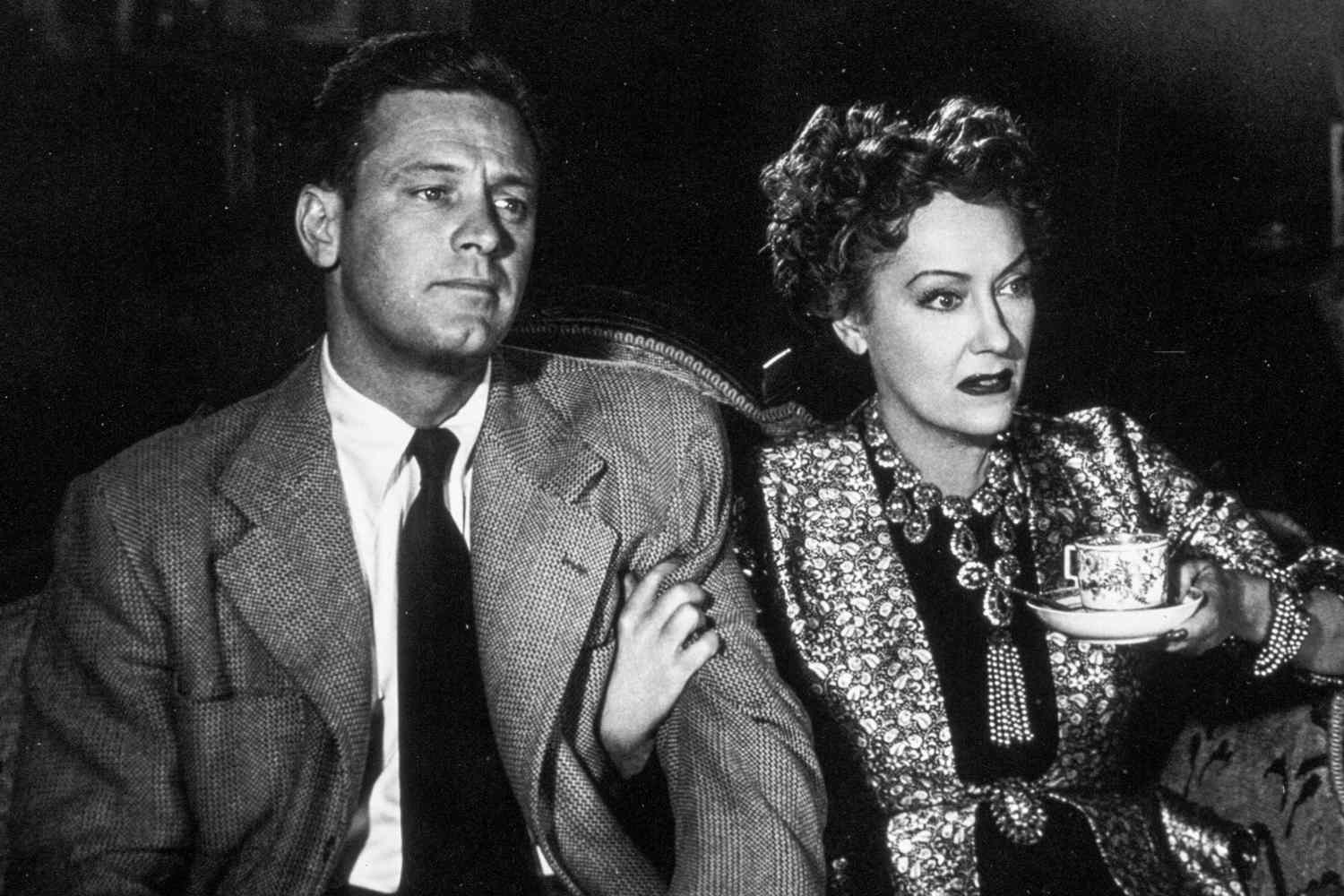
William Holden in Stalag 17 (1953). This may be the second most famous example of an actors’ award coming after the one that deserved it. 1950’s Cyrano de Bergerac got the award for José Ferrer. But Holden is generally agreed to have received the award as a consolation prize for 1950’s Sunset Boulevard.
Henry Fonda in On Golden Pond (1981). He was nominated several times before and should have won for The Grapes of Wrath. But nostalgia, concern for waning health, and the apparent need for a career win brought home the gold for Fonda (who died shortly thereafter).
Robert Duvall in Tender Mercies (1984). I think Duvall deserved the Oscar for that performance, but it was also a career win after a lifetime of solid work and nominations for The Godfather, Apocalypse Now, and The Great Santini. A worthy career win nonetheless.
Colin Firth in The King’s Speech (2010). Some view this as simply the consolation prize for losing the year before for A Simple Man, where he gave an excellent and also Oscar-nominated performance. But his work in The King’s Speech shouldn’t be minimized just because it was less nakedly emotional. Firth had to find the character of a prince in crisis and add the technical elements of a stutter and speech impediment. It that was a consolation prize, it was a good choice.
THE IRONIC AWARD in this list goes to George Clooney, who won a kind of “We like you a lot” mid-career Oscar for a mid-OK performance in Syriana (2005). The irony? His best work was yet to come in Michael Clayton, Up in the Air, and The Descendants. And he’s not done yet.
2026 OSCARS
Will we have a consolation prize this year? It’s a possibility that Timothée Chalamet could win for Marty Supreme, a possibility that has grown stronger with his Golden Glove win. He easily could have won for Call Me By Your Name and probably should have for A Complete Unknown. The latter was just last year, but the quality of his Marty Supreme performance wouldn’t make a win this year a consolation prize.

So, basically, no. No consolation prizes this year.


 Film stuff by Mark