
The first film was fun, lively, and had a few very good and one great performance in Meryl Streep’s Miranda Priestly. Twenty years later, we have three Oscar winners (Streep, Anne Hathaway, and Kenneth Branagh), two Oscar nominee (Emily Blunt and her brother-in-law Stanley Tucci), and a film whose triumph is getting the original cast together and making a lot of money. Otherwise, unless your single most important interest is in seeing these actors/characters together again, this is just … meh.
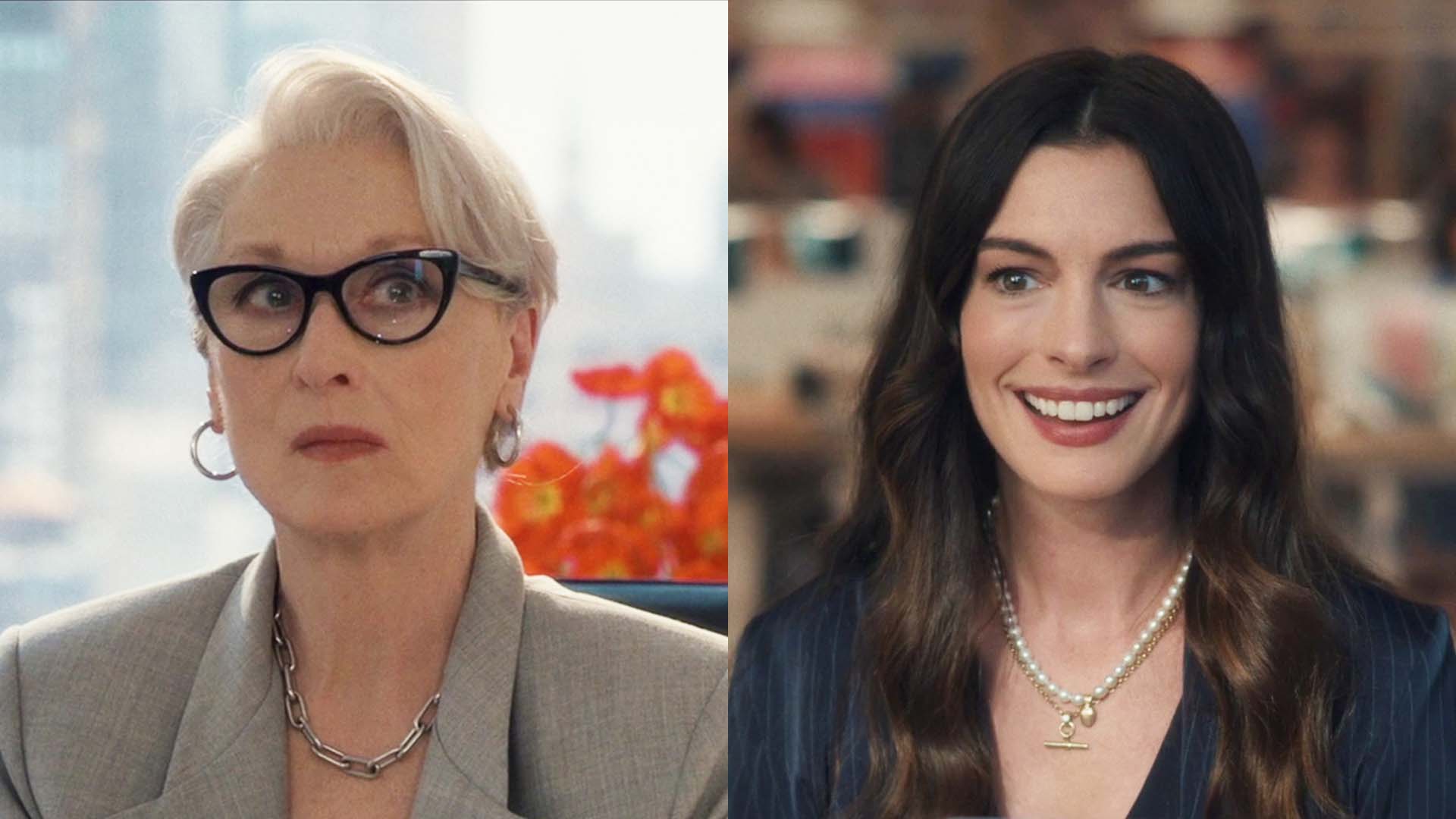
The film looks and feels as if it were still 2006, with loud music that repeats too much of the first film’s (“Vogue,” “Suddenly I See,” etc.) soundtrack, ever-moving camerawork, and more street crossings than I saw during any one day I lived in Manhattan. Everyone looks amazingly well-preserved and the clothes are perhaps even more stunning than in the original, but this time around, the whole thing doesn’t quite work.
Right off the bat, we’re thrown into an unbelievable scenario with Andy (Anne Hathaway) losing her job after receiving an important journalist award, and then…wow!…she ends up working at Runway Magazine again—who could see that coming? It all happens too fast and saying it seems forced is an understatement. There are a lot of references to the first film that work half the time and seemed shoehorned in the other half. There is the serious look at where journalism is today, and the life-changing element of digital articles, but that topic is ultimately lost in the noise and the gloss. The film should have been more serious and darker than the original (sorry…IMHO) but addressing this issue and then submerging it does the film and the issue a disservice.
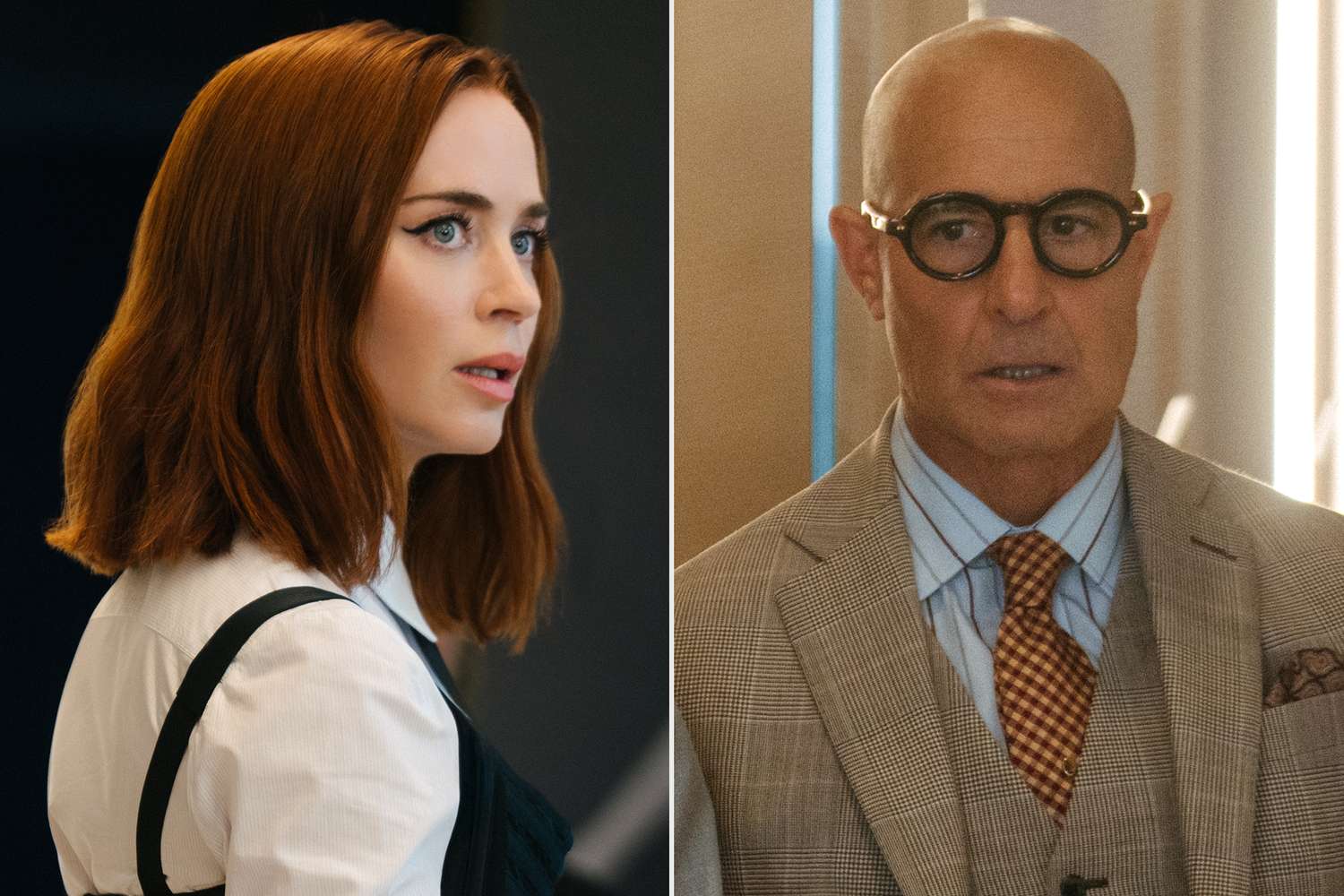
Two characters get it right throughout, one by staying the same, and the other by adjusting well to the changes around her. The general path for the major players seems to be to eventually soften the characters—Andy aside— and make them more vulnerable, or at least more amiable. Tucci seems to be the same until a certain (no spoiler) point where he reveals a tenderness and thoughtfulness that was there all along. I am a big Emily Blunt fan, and she is given almost too much to do here in terms of narrative and character arc, but she pulls it off in every scene. Her character is still a supporting role, but she is the best thing in the film.
Anne Hathaway is just too much here, and that is likely due to direction. She is as naïve, giddy, and schoolgirlish as she was in the original, which doesn’t work for an accomplished professional in her 40s. I wanted to do a William Wyler on her and make her do enough takes to drain the energy to a credible level, but she just NEVER STOPPED. It is all too much and consistently borders on inane. She also has a “love” interest foisted on her, that is unnecessary and pointless from its too-obvious meet-cute start to its confusing finish.
The inestimable Streep won’t be receiving another Best Actress nomination for this, but it won’t be her fault. The first film had her play a consistent character and only showed her vulnerability once at a moment of shock and weakness that was within the character’s wheelhouse. Here Miranda is supposed to gradually show more and more humanity, which she does in fits and starts until the end (again, no spoilers here). While her famous precision is evident in every scene, Streep has to work to make each scene work in and of itself while the script doesn’t give her a believable character arc to work with.
British stage and film legend Kenneth Branagh plays Miranda’s current very supportive spouse, but with his dyed hair and youthful energy, looks and acts many years younger than Streep. The age gap is never alluded to, which only adds to the strangeness. His cinematic authority matches Streep’s but that is his main contribution.
Justin Theroux plays a character that is a “if Elon Musk and Jeff Bezos had a baby, it would be this guy” billionaire. His character is crude, clueless when it comes to anything approaching art, and is too dumb and foolish to fit into this film. The idea is great as satire, but like Hathaway’s performance, is too over-the-top to be credible.
This sequel could have been so much more if it had been so much less. Seeing the four main actors and characters together again is a joy as well as a triumph of casting. For those who will be satisfied with seeing them back, that will be enough—and it is a pleasing experience. But the film itself could have been the “The Empire Strikes Back” to “A New Hope”—deeper, more shaded, and far more intriguing. Instead, it is a stylistic throwback to the original that is louder and more enervating than it ever needed to be.


