Nuremberg

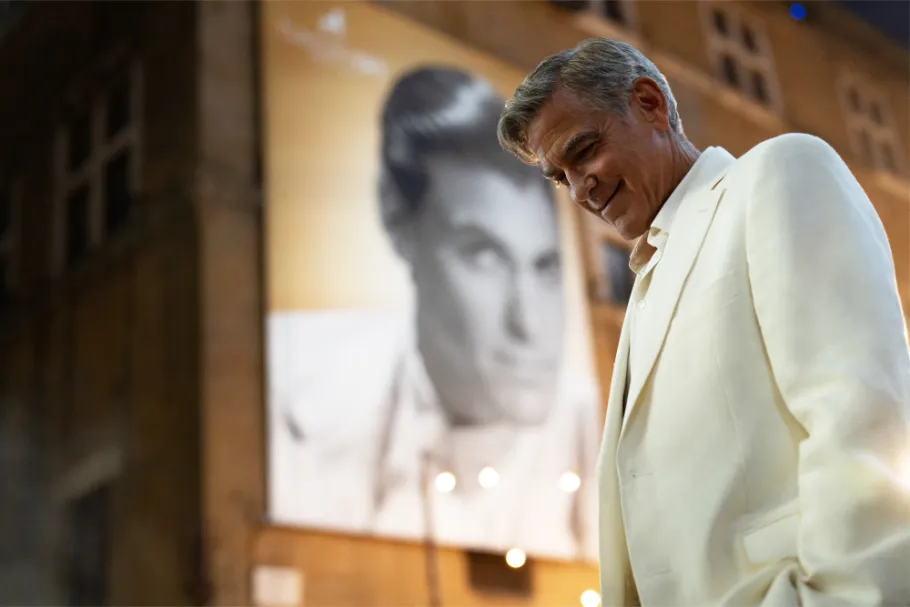
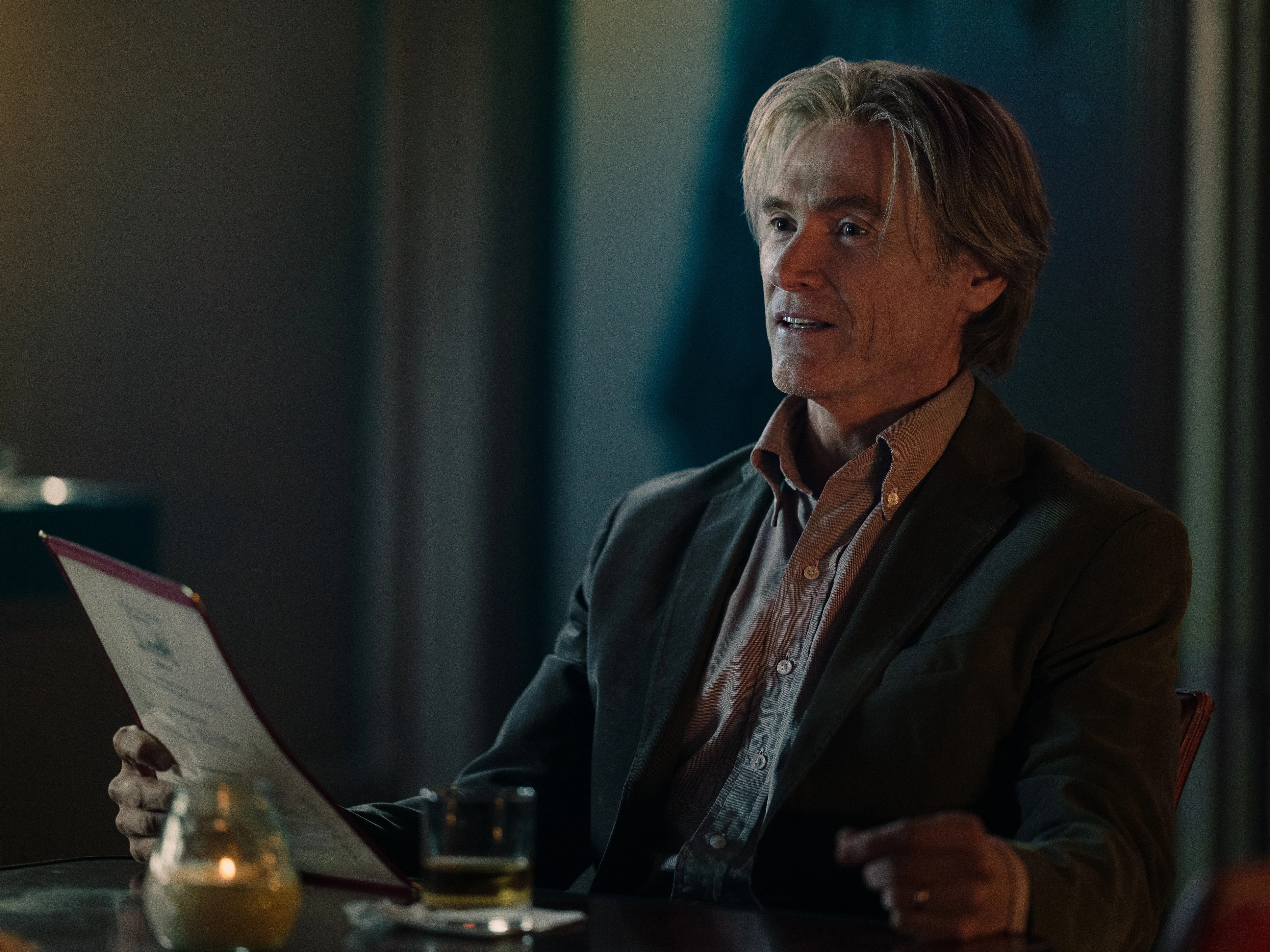
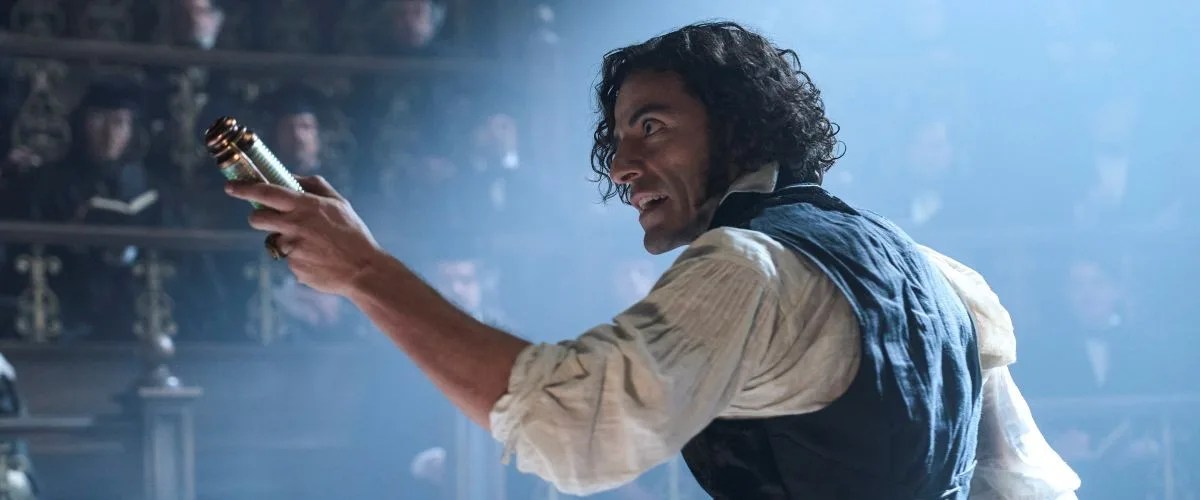
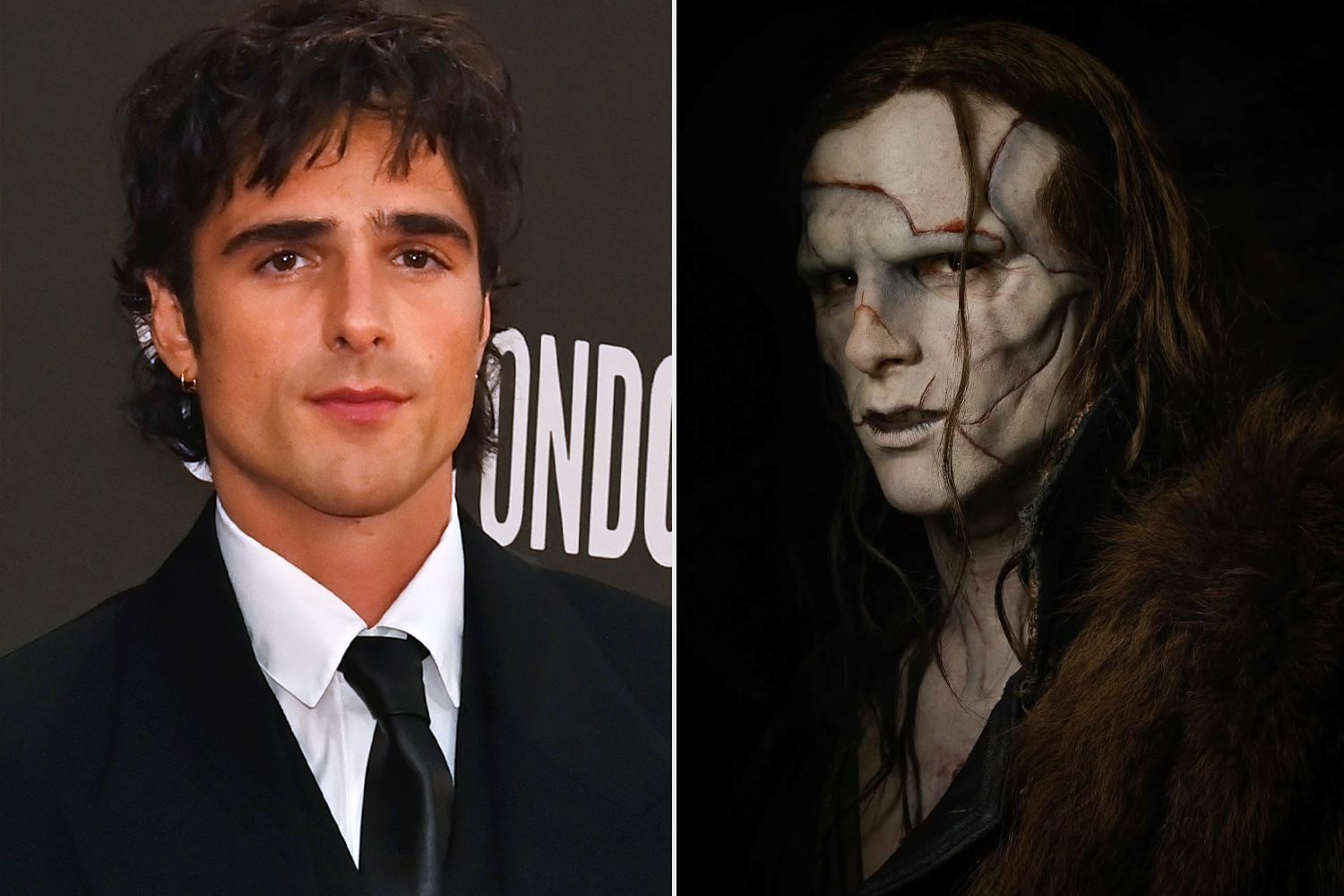
Anything that presents the horrors of the Nazi regime is welcome in today’s history-averse world. In that context, I’m glad Nuremberg was made. IMDB succinctly states that the story is that of “[a] WWII psychiatrist [who] evaluates Nazi leaders before the Nuremberg trials, growing increasingly obsessed with understanding evil as he forms a disturbing bond with Hermann Göring.” It’s much more than that. That brief description simply describes the dramatic arc in a film that involves Nazi leaders, international judgment, the horrors of the concentration camps, and obsession.

Since we as viewers are apparently too many years away to assume knowledge of the war, the horrors of that war, and the international response to those horrors (sigh), the filmmakers have assumed that we need a great deal of exposition throughout. There are many moving parts in the film, and some explanation is necessary, but they are too detailed and too many. The film has also been accused of being preachy, an accusation that is deserved, especially as it heads near the end.

The film walks the line between serious and almost documentary drama and flat-out entertainment, often with awkward results. There is a jarring cut from an emotionally intense scene with a senior Nazi to a woman singing an energetic song in a club that I have yet to get over. That is the common weakness of the narrative. The central story is perhaps considered too dark and severe, and in need of lightness and even comedy. Along with the several story lines that don’t always flow together, this back-and-forth between dark and light makes for an occasionally bumpy viewing experience.

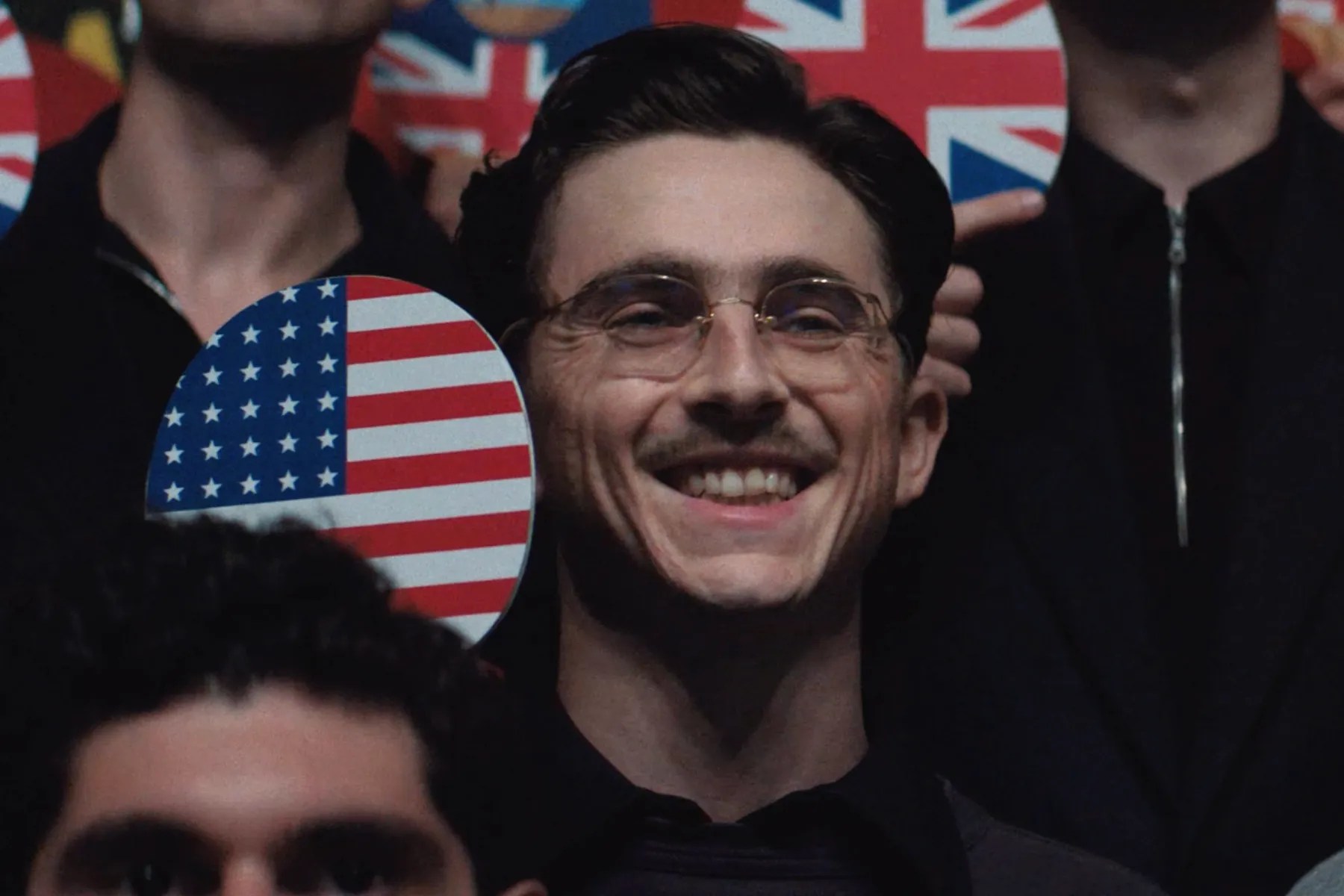
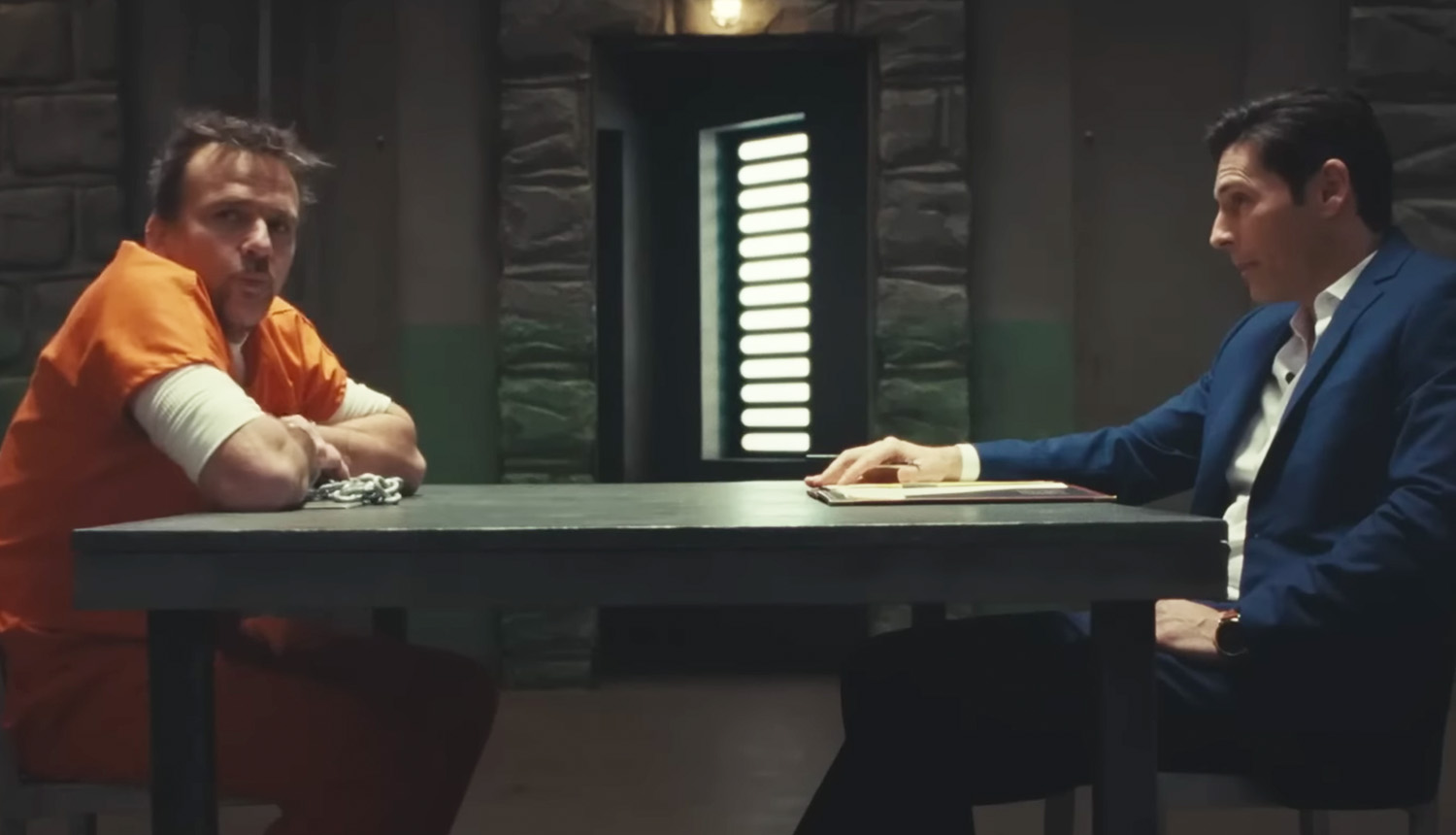
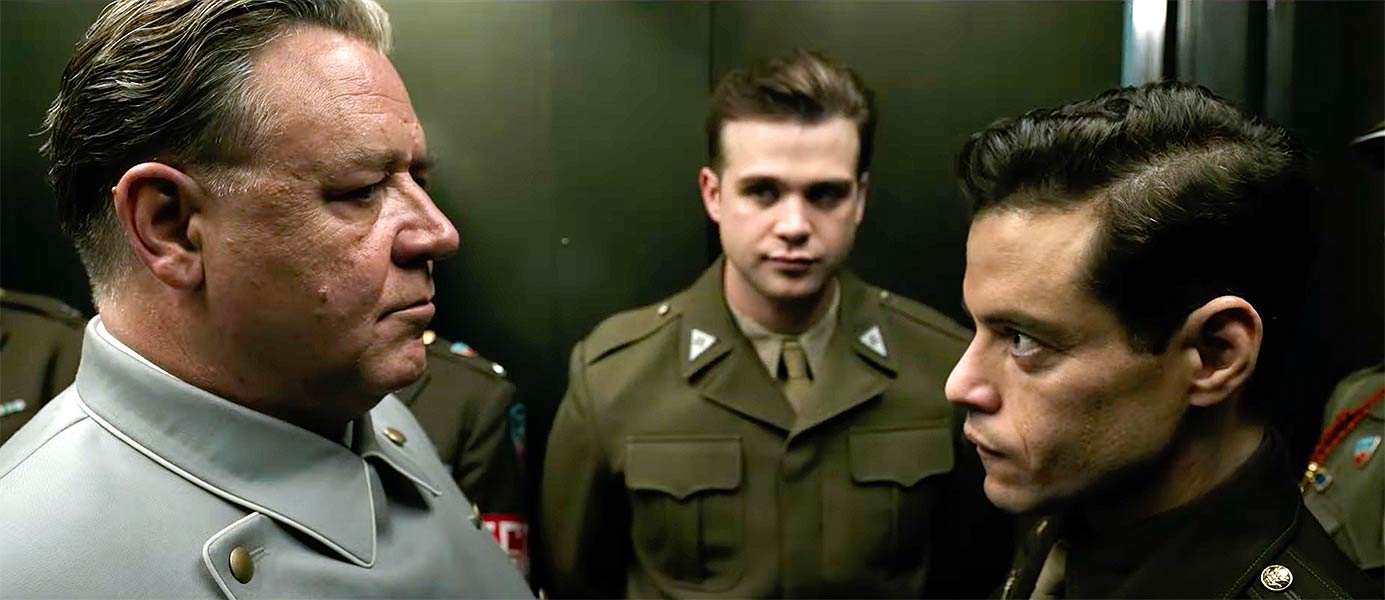
What carries the film, fortunately, are the three central performances, and the two secondary performances. Rami Malek (Oscar for Bohemian Rhapsody) and Russell Crowe (Oscar for Gladiator) are at the heart of the drama, with a fascinating and occasionally confusing relationship that has us questioning motives and who is using whom. Crowe is an incredible screen presence and has times of showing that to an almost overwhelming effect. You can’t take your eyes off him, especially in the courtroom sequences. Crowe introduced a new level of strong male authority into the film world with Gladiator, and here he turns that authority on its head playing a brilliant, articulate, calculating, charming, evil and powerful man. I’m not sure who else could play Göring so intelligently and so bursting with arrogance, self-assurance, and manipulation.

His opposite, at least at first, is Malik’s psychiatrist, who is as active and intense as Göring is eerily quiet and settled. The movie is his story, not Crowe’s, and we are more than willing to follow him throughout most of the film, which makes our discomfort with some of his eventual decisions and statements even more uncomfortably palpable. It’s a carefully crafted performance and has a range and depth that his Oscar-winning performance didn’t possess.

There is another almost-lead performance that surprised me, and that is Leo Woodall (“The White Lotus”, “One Day)”, who begins slowly with a very background performance as Malik’s character’s interpreter. He is a sensitive and accessible performer and quickly gains our attention and allegiance. He eventually makes his way to the front of the film in a deft move, and we find ourselves relating to him more than Malik’s character, and appreciating his work as much as Crowe’s. It’s the film’s biggest surprise in more than one way (no spoiler alert here).

The supporting performances from Michael Shannon and Richard E. Grant are as professional and accomplished as we would expect. They do solid work in roles where that solidity is needed.

The other supporting character is played by a miscast John Slattery. Slattery has a certain authority of his own, but not the kind his character here needs. It’s a combination of not rising to the level of power needed for the character, trying too hard to convey the necessary power, and a continual missing of the flavor and commanding authority needed in the scene.

The music has the challenge of working with the bumpiness of the narrative but generally manages to work well with the narrative without calling too much attention to itself.

One of the biggest misses in the film are its loose ends. For instance, we meet “the girl” on the train, and we can figure that she will become Malik’s character’s romantic interest. She is then shown here and there, and in a great twist (spoiler alert here!) they hook up to disastrous effect. I prefer when films skip over sex scenes, but here we are led to one, and the all-important talking (that we assume comes afterward) is not even shown or heard. A great dramatic moment missed.

Then there is the confusing scene following the trial, with Malik’s character on the radio. It can be read as his opinion after his experiences, an anti-Trump tirade (which it is unlikely considering when this was written and filmed), a warning against antisemitism (completely on the nose right now), or a prophetic look into the dangers of radical Islamists. With those possibilities, you can see why it might come off as confusing.

Then we are given the tradition script on the screen that tells us what happened to them all. What happened to Malik’s character might better off been left off.

For the Malik and Crowe completists among us, this is a must-see. For the move from TV character to quietly riveting performance, check out Leo Woodall, who seems to have a very bright future. For those intrigued by WWII and/or the Holocaust, it should probably be seen, though not necessarily any time soon.

Posted in Film Reviews, Newer films | Tagged , , , , , , , , , , , , , , , , | Leave a comment

Downton Abbey: The Grand Finale

If you’re a fan of the television series or the two previous films—or both—this wrap-up is like a warm and cozy meal on a cold winter day. As with a handful of films, this one is beyond criticism in some ways. If you follow the Crawleys and Granthams and the various ups and down of their lives, you’ll greatly enjoy this film.

Nothing here is shocking, at least by 2025 standards. Creator/screenwriter Julian Fellowes has made a slightly new recipe here out of old but comfortable ingredients. Those ingredients include the living members of the cast (how they got them all together, I can only guess) and a handful of recurring conflicts: What trouble will Mary find herself into? Can Downton survive in the light of someone making bad financial decisions that threaten to turn everyone out on the streets (metaphorically of course)? And, what, pray God, is possibly going to happen to Edith this time?

Not really a spoiler alert: Because Matthew Goode is tied up with other work and since he was barely in the second film as Lady Mary’s oft-missing second husband, it looks like the scandal du jour for Mary is divorce, 1930-style. The film successfully draws us into the social and personal sturm und drang that might be exaggerated but makes the point and puts the film in first gear.

The usual “Oh, my, what a terrible financial situation we’re in!” is both a bit tired and not especially well handled. This moment of angst involved Cora Grantham’s brother, much alluded to but not seen since Season Four’s Christmas Special. With the amiable Paul Giamatti playing the brother, we might expect to see something kind or at least smart. We get neither, and his character’s presence at the Abbey and the story and trouble he brings to the house is probably the weakest part of the film.

Genuine spoiler alert: Everyone ends up in happy relationships. After all, this is Julian Fellowes at his warm and cuddly best, with a soupcon of ultimately unthreatening drama and the occasional “outrageous” comment thrown in for good measure. Of course, we are missing Fellowes’s grande dame and deliverer of the best bons mots, the inestimable Lady Grantham played by the even more amazing Maggie Smith. Her memory and near-presence permeate the film, but we are not without pithy and witty statements; they are simply spread around for many other characters to express.

Downton Abbey: The Grand Finale' review: Crawley clan in a pivotal 1930 -  Los Angeles Times

The strongest aspect of the question of what is to happen to Downton is the continued evolution of Lady Mary into the strong leader we knew she would become. She has perhaps one more wrinkle, but Michelle Dockery still looks pretty much like the Mary in 2010’s Downton. (Side note: Being a film history fan and familiar with the actresses of the last 1920’s and early ’30, I can only say that the costumers hit the jackpot with Dockery, who is a tall, thin, and beautiful clotheshorse that nearly puts Kay Francis to shame.) (Second side note: The women in general look the same, and the men in general have put on the pounds.) Dockery is a better actress than is recognized and masterfully hits every emotional note the script throws her way (and there are many) all while maintaining a great lady’s dignity, not an easy task.

Viewer will be especially happy that Lady Edith, now the Marchioness of Hexham, has found her voice, and it’s a long-awaited pleasure to see.

The film, as the last entry in a much-loved series, has primarily been viewed in terms of screenplay and character. But then there are the production design and costumes, which are excellent. Perhaps the most underrated technical aspect is the cinematography, which includes the kind of smooth Steadicam work and choreography among the characters that is so polished it almost seems invisible.

It may seem quibbling to say that there is nothing new here, but that is the point. Everything is a variation on an old set of themes, with the goal of putting everything in financial and relational order…the ultimate feel-good movie. As a critic-proof film, The Grand Finale should be seen by its fans and ignored by everyone else, for which it might make little sense. The film’s pathway is predictable and a bit corny, but the acting and production values are top-notch. It’s a delightful capstone to a treasured series, and a grown-up alternative this time of year to the horror and gore this season generally puts out.Downton Abbey: The Grand Finale

Posted in Uncategorized | Tagged , , , , , , , , , , , , | Leave a comment

Juror #2

This isn’t a new film, but still a relatively recent one (2024). I saw it on an international flight, obviously not the best context for viewing any film. But Clint Eastwood was the director, so I thought it would be worth the view.

It’s a very mixed bag, with some excellent actors and a fascinating theme. But the actors seemed on their own, with little direction. I have seen many a film that starred good to great actors who seemed to be leaning on their own talents with no one steering them; they do the best they can, but they each seem on their own. This turned out to be one of those films.

The film stars the incredibly talented Toni Collette (Oscar nomination for The Sixth Sense and who should have been in Chicago…) as a lawyer/politician. At first, she appears to be the traditional “win at all costs” legal shark, but as the film moves toward the end, her character backs off from that persona and digs deeper into her case. Collette of course does the best she can, and she makes it believable, but she is afloat here, doing the best for her character and the plot, but not living in a context of consistent tone and energy.

The other lead is Nichoas Hoult, who has an even meatier part, but seems even more left to his own devices than Collette. (I won’t give away the plot, as that is the strongest and most enjoyable part of the film, until it isn’t….). Hoult’s character is meant to be us, and he does his best, which is plenty. But again, there seems an isolation to each of the characters here, and that is most evident in the relationship between Hoult’s character and his wife. Despite their exchanges, there doesn’t seem to be a strong connection, which notably weakens the film. Ironically Hoult has a better connection with Collette in their scenes together, though they are generally antagonists in the film.

There are other significant performances in the film, but they are meant to be on the side, and that seems to work in their favor. The ever-solid Chris Messina gives more than might be evident as the film progresses. Then who do we see—two folks whose star power threatens to override their character. One is Keifer Sutherland in a surprisingly low-key turn as Hoult’s friend and confident. The other is Oscar-winner J. K. Simmons, a reliably solid character actor who 15 years ago would have fit well into the fabric of the film, but who is now such a big star that his presence is simply too big for his role.

What to say about the courtroom scenes, other than they are a color (as opposed to black-and-white) update on 12 Angry Men? The characters in the jury room again seem to be doing their best, but cliches and stereotypes abound almost laughably at times. If I heard one more person say that they needed to give a quick guilty vote so they could get home for one reason or another, I might have walked out. But I was on a plane.

Then there is perhaps the strongest element of the film, which is the theme of guilt and how we respond to it. It’s an eternal issue, and the film seems to deal well with it until it flames out it at the very end. The ups and downs of struggling with what is right and wrong, and the price one might have to pay for doing the right thing is generally well explored. But that ending: wholly unsatisfying on nearly every level. The film has an Act Three as in most other films (spoiler alert), but then there is an anticlimactic scene that enervates rather than jolts us. It appears to be presented as a stunning kind of second climax, and while it could be read by some as intense, disturbing, and thought-provoking, what it primarily provokes is a “Huh?” from the viewer, followed by a sense of wonder—wonder at what it’s supposed to mean. Yes, spoiler alert again, I understand that on one level it means that things aren’t settled, and that unresolved guilt has no place to run and hide forever. But where precision is needed (badly) to pull things together, we have perplexity.

Don’t tell him I’m writing this, but perhaps it’s time for Eastwood to sit back and rest on his many laurels.

Posted in Film Reviews, Newer films | Tagged , , , , , , , , , , , , | Leave a comment

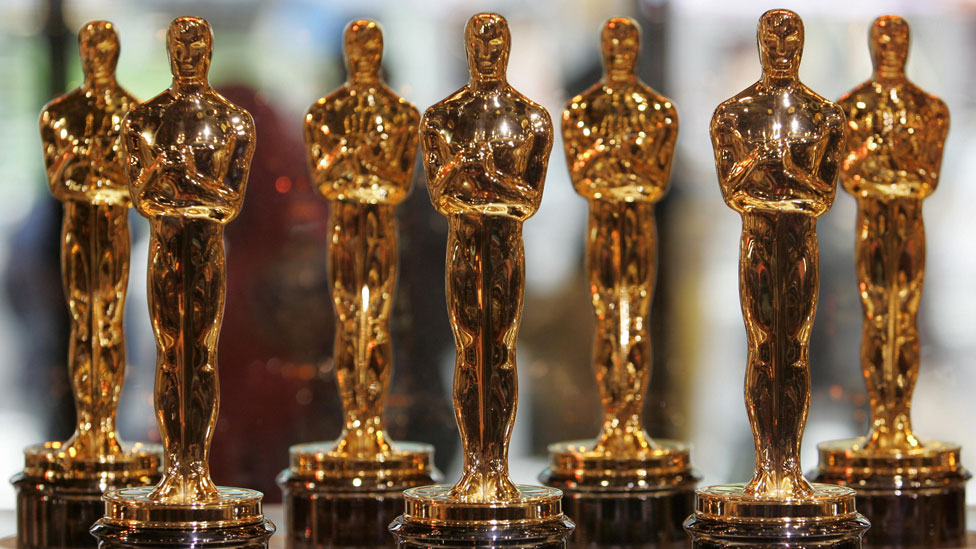
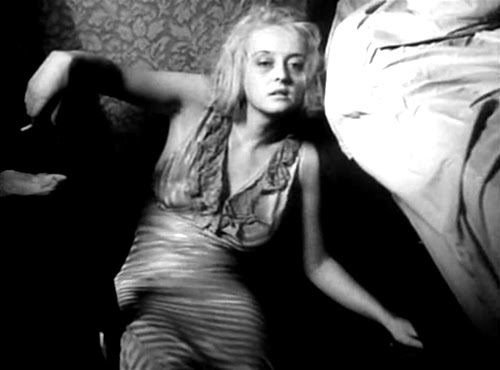
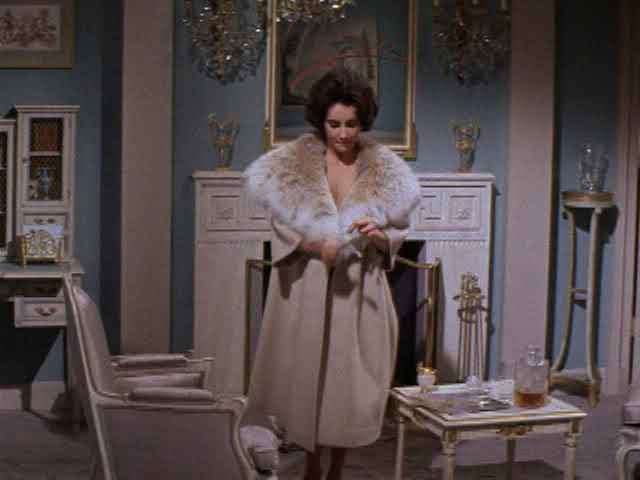
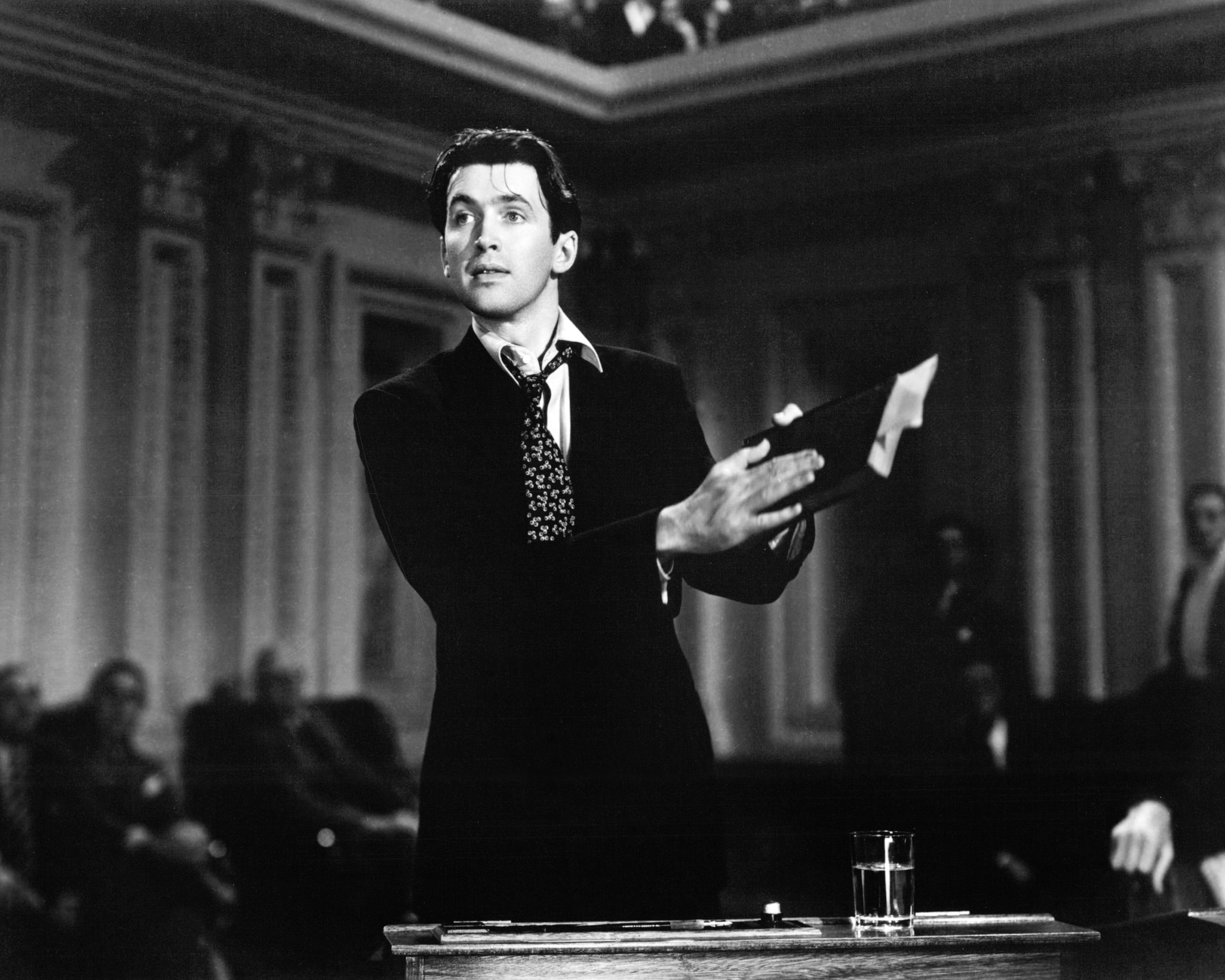
The 13 Worst “Best Picture” Winners

The Oscars started out well, albeit being a group initially designed to keep union activity away, and to continue to grow Louis B. Mayer’s influence in Hollywood. The first year, they even had to address the “popular pic vs. art pic” scenario that has plagued Hollywood over the years, giving Wings the Outstanding Picture Award and stunning classic Sunrise the Best Unique and Artistic Picture Award. That second award was dropped after its first year, but is a reminder of the tension between art and popular success that is inherent in any art award.

So, in chronological order, are my thoughts on the 13 worst choices for Best Picture. They are not all bad films, and some are quite good. But in the year they were nominated, they never should have won.

  1. The Broadway Melody 1927/28. This is a landmark picture, but not necessarily a good one. It was a very popular early talkie with popular songs, all backed by Mayer and M-G-M, so it’s not a surprise that it won. But it’s very difficult to watch now, even accounting for its age. It’s clunky, the dialogue is cringey, and the musical numbers are, today, laughable. The better choice wasn’t even nominated: Rouben Mamoulian’s Applause, which is lightyears ahead of the winner.
  • Going My Way 1944 Back then, who didn’t the love the music and its star, Bing Crosby? But it was up against the masterful Double Indemnity and Gaslight. Either of those would have been a much better choice.
  • An American in Paris 1951. Don’t get me wrong—I love the film despite its many, many flaws. But this was also the year of A Place in the Sun and A Streetcar Named Desire. I can only imagine that these two intense black-and-white dramas canceled each other out.
  • The Greatest Show on Earth 1952 This almost terrible film is generally agreed to be the worst of the Best Picture winners. There is so much wrong with it, but maybe the Academy just loved a well-done train wreck—I’m referring to a sequence, not the whole film. It was very successful financially (always significant to the voters) and it was initially received as a slightly unwieldy entertainment with many stars and much pageantry. It hasn’t aged well. Other nominees that were a better choice included High Noon and The Quiet Man. But again, the best film of the year wasn’t nominated: Singin’ in the Rain.
  • Around the World in 80 Days 1956. Gigantic, all over the place (literally and figuratively), and bloated. That year’s Giant is subject to some of these same criticisms, but it’s a much more important and better directed film. And even The King and I, which of course “is just a musical” (sigh) is a finely crafted and acted film. As with 1927/28 and 1952, the best film of the year wasn’t even nominated: The Searchers.
  • Rocky 1976. I feel unamerican just writing this, but come on! This was also the year of Bound for Glory (which was never going to win), Network, Taxi Driver, and the best, most prescient, and most sophisticated of the year, which has since become a classic: All the President’s Men.
  • Ordinary People 1980. It’s a good film, especially for a first directorial effort (by Robert Redford). Coal Miner’s Daughter, The Elephant Man, and Tess were never going to grab the big prize. But not honoring the rough but brilliant Raging Bull was highway robbery.
  • Forrest Gump 1994. As with Ordinary People and Raging Bull, we have a popular and mostly well-respected feel-good film. It will likely be popular forever. But then there’s The Shawshank Redemption. Really, is there any comparison?
  • Shakespeare in Love 1998. This win over the more deserving Saving Private Ryan is a testimony to the wicked power of Harvey Weinstein, who must have either wined and dined voters, or threatened them with some kind of unwanted exposure, to have this win. This isn’t the only Wein-Stain in history, but it’s the biggest one.
  1. Crash 2005 this shouldn’t have even been nominated, and it’s essentially been forgotten beyond this its role as one of Hollywood’s most egregious mistakes.
  1. The Shape of Water 2017. My head is still reeling over this win. I guess folks thought it was time to reward director Guillermo del Toro (Pan’s Labyrinth, Hellboy). I suppose there are times when it’s “time” to reward someone. This isn’t the time. This isn’t the director, and this certainly isn’t the film.
  1. Green Book 2018. This is simply an embarrassment. It’s not bad, but it can’t hold a candle to Roma or A Star is Born. Not sure what happened here. My guess is that it’s the fortunate winner of votes that were spread all over the place for other films. Or it could be that Roma was done by a streaming service (and we can’t encourage that!) and there was and is a reluctance to honor Bradley Cooper.
  1. CODA 2021 See Green Book for my guess as to what happened here with the voting. CODA is a fine little film that highlighted the deaf community, which pulls the ever-ready-to-be-plucked virtue signaling string for the Academy. But look at some of the others: Dune, The Power of the Dog, and West Side Story. These three will remain, and CODA will melt into the background.

There are many other films that could be part of this list, but they don’t meet the level of egregiousness that I believe these films do. A case can be made for Cavalcade, Braveheart, You Can’t Take it With You, the infamous How Green Was My Valley, Hamlet, All the King’s Men, Oliver!, Ghandi, Driving Miss Daisy, Dances with Wolves, American Beauty, Chicago, The Artist, and Argo. These are not bad films, and some are quite good. But the earlier 13 listed are just the most painful.

Posted in Film-Related Articles | Tagged , , , , , , , , , , , , , , , , , , , , , , , , , , , , , , , , , , , , , , , , , , , , , , , , , , , , | Leave a comment

Superman (2025)

Bottom line: Just go see it. It’s really good, albeit with a few big flaws, but it’s a great reset to the DCEU and the Superman franchise. For those choosing not to see it because of so-called “woke elements”—if you choose to politicize beyond the occasional politicization that co-writer and director James Gunn introduces—you’ll miss the larger picture. There might be occasional commentary here and there, but the main story is bigger and better than that.

The film has two “shadows” over it. One it the complicated and contradictory mess of current events, which are addressed here and there. Any film can be read politically by those who live and think primarily in a political mindset, and Superman provides enough opportunities for those poised to read it in that context. Yes, he’s an alien, and therefore an immigrant, and there are plenty of comments made on that subject that ring today’s bells. Gunn also makes the occasional social comment, the very best (and by far the single best moment in the film) being the quick shot of monkeys working their social media outlets with “negative reviews.” It’s funny on its own, and nearly everyone can relate to that, but those that know Gunn’s unfortunate history with social media can enjoy it on another level.

The other “shadow” is the history of Superman in comic and cinematic forms. I tend to work hard to view films as stand-alones, and not just as sequels, or prequels, or films working to upend their primary source. In that mindset, I will say that IMHO, this is the best Superman since the 1978 Christopher Reeve version. As all superhero/Superman films belong to their times, it can be fun and instructive to see how they reflect or comment on the times in which they were created. I can’t help but being familiar with the Superman myth, having watched the George Reeves version as a kid, and enjoying the 1978 version, and lamenting those films that followed.

Here’s what I liked about this new version. The three/four main actors (counting Skylar Gisondo in the subordinate and confusing role as Jimmy Olsen) are excellent. Nicholas Hoult as Lex Luthor is the very embodiment of obsessive hatred and jealousy, and he gives his substantial all to the part. I’ve been impressed with Rachel Brosnahan since her work in “House of Cards” and especially “The Marvelous Mrs. Maisel,” and she makes this Lois Lane not just her own (hard to do), but she makes it one for the ages. She’s funny, whip-smart, and never lets on the she is in a DCEU movie. She’s the snap, crackle, and pop of the film.

Which of course leads us to the lead, David Corenswet (“Hollywood,” “The Politician,” Twisters). He fits this version perfectly for this new take. He’s sincere, funny, smart, and of course, has the requisite look and build. He is in stark contrast to Henry Cavill’s darker, more serious Superman, so that works in his favor as a creative divergence. He doesn’t hit any wrong notes even while stuck in some wrongly written or directed situations. He acquits himself well with whatever the film throws at him, even though the film’s tone is all over the place. What holds everything together is strength of those three central performances.

This conception of Superman is of course one for today as well as fitting into the “for all ages” myth. Of course, as a Gunn production (think the Guardian of the Galaxy films), it has more humor and lightness than most, and Corenswet admirably weaves his way through all the twists and turns of plot and tone. The basic scheme of course is the same: Superman good, Superman strong, Lois punky, Luthor horrible, Jimmy sweet, Kryptonite always a danger. Nothing new here, but how they various elements are handled fall somewhere between imaginative and entertaining and questionable.

We are thrown in media res instead of dealing with setting up who Superman is, where he is from originally, where he grew up, where his alter ego works, and who is archenemy is. Smart choice. But there are simply too many times our hero is shown in a weak position, including our first view of him in the ice. Not the Man of Steel we are used to, but it does present him as vulnerable. That repeats itself more than once, including an excruciatingly long sequence of him under the Kryptonite influence (a scene which includes an unexpected and gruesome murder that small children shouldn’t see.) As is typical here, the victim happens to be a nice Muslim friend of Superman’s, which can be politically interpreted in any way you want (or just accepted as a way of seeing how awful Luthor can be). 

There are pocket universes which are never clearly explained, and there is an absolutely unbelievable subplot (which graduates to a legit plot point) with Luthor’s shallow girlfriend inexplicably in deep, deep love with Jimmy Olsen. It’s worked nicely into the plot toward the end, but it never passes the believability test.

Everyone tends to love Clark’s rural parents, but here they are presented, unfortunately, as loving but absolute rubes who don’t quite know how to use a cell phone. It’s embarrassing, and can be interpreted as a negative comment on folks in a rural landscape. And in another twist, it’s the dad who is the emotional one. OK…whatever.

Lastly, on the negative side, there are a few other issues. The obligatory massive fight scenes full of CGI wonder are one too many and tend to exist by themselves. I would love to see a shorter fight scene sometime with a tighter focus, a greater connection to the characters, and a more obvious emotional core, but that’s not part of the structure of these films. Gunn goes one too many in the individual rescue sequences, which include a young girl (aww), a woman who needs to be told how to breathe (OK), and a squirrel (huh??) With all the chaos around him, the Caped Crusader is spending his few precious rescue moments on a rodent? Some interesting ideas can go on a bit too long. Same thing with “the dog” … an interesting and fun idea that get s-t-r-e-t-c-h-e-d as well.

So why am I positive on Superman? I love the idea of a more nuanced and sensitive central personality, even if his times in peril keep robbing us of his action scenes genuinely playing the hero. The various aspects of this character add color and variety. Corenswet as Clark is a joy to watch, and he meets his equal (Lois) with humor. The now-famous interview toward the beginning between Lois and Superman is gold, with genuine issues being addressed while fleshing out characters and personalities at the same time. Great idea, well executed. The dynamic between Lois and Clark is the best part of the film, and the only downside to that is that there aren’t more scenes just between those two. Great chemistry is hard to find, and we want more as the film goes on. But the glue that still manages to hold all things together are the three central characters that never lose their focus, and some of the most endearing and talented acting in a superhero movie. These are not recessive characters by any stretch, and that keeps the film buzzing and alive. Luthor/Hoult (spoiler alert) is sent to prison at the end of the film, but just as long as the next film (he writes with hope) keeps Corenswet and Brosnahan together, I have hope for this new chapter.

The film also cleverly addresses the “collateral damage” issue that other superhero films have struggles with (and generally can’t seem to work out.) This film allows many a creature to be brutally sacrificed, but they aren’t human. And many a building gets destroyed, but there is precious little human life lost. We get the big fight and the destruction without the guilt of the loss of (human) life. It’s a quiet victory in the film, but Gunn pulls it off.

Gunn tries to do too much, and not all of it works. But he keeps things moving, with humor that mostly lands where it should. This is a completely new reboot to the series, and its one that has the elements that can sustain a respectable and enjoyable series.

Posted in Film Reviews, Newer films | Tagged , , , , , , , , , , , , , , , , , , | Leave a comment

The Private Life of Henry VIII (1933)

Don’t let the date of the film put you off. This is a delightful dramedy about England’s most notorious king and his six wives. While creaky and primitive by today’s standards, the film itself is a riot and very enjoyable. It moves along briskly, has a sharp and intelligent sense of humor, and is delightfully pre-Code in its sensibilities.

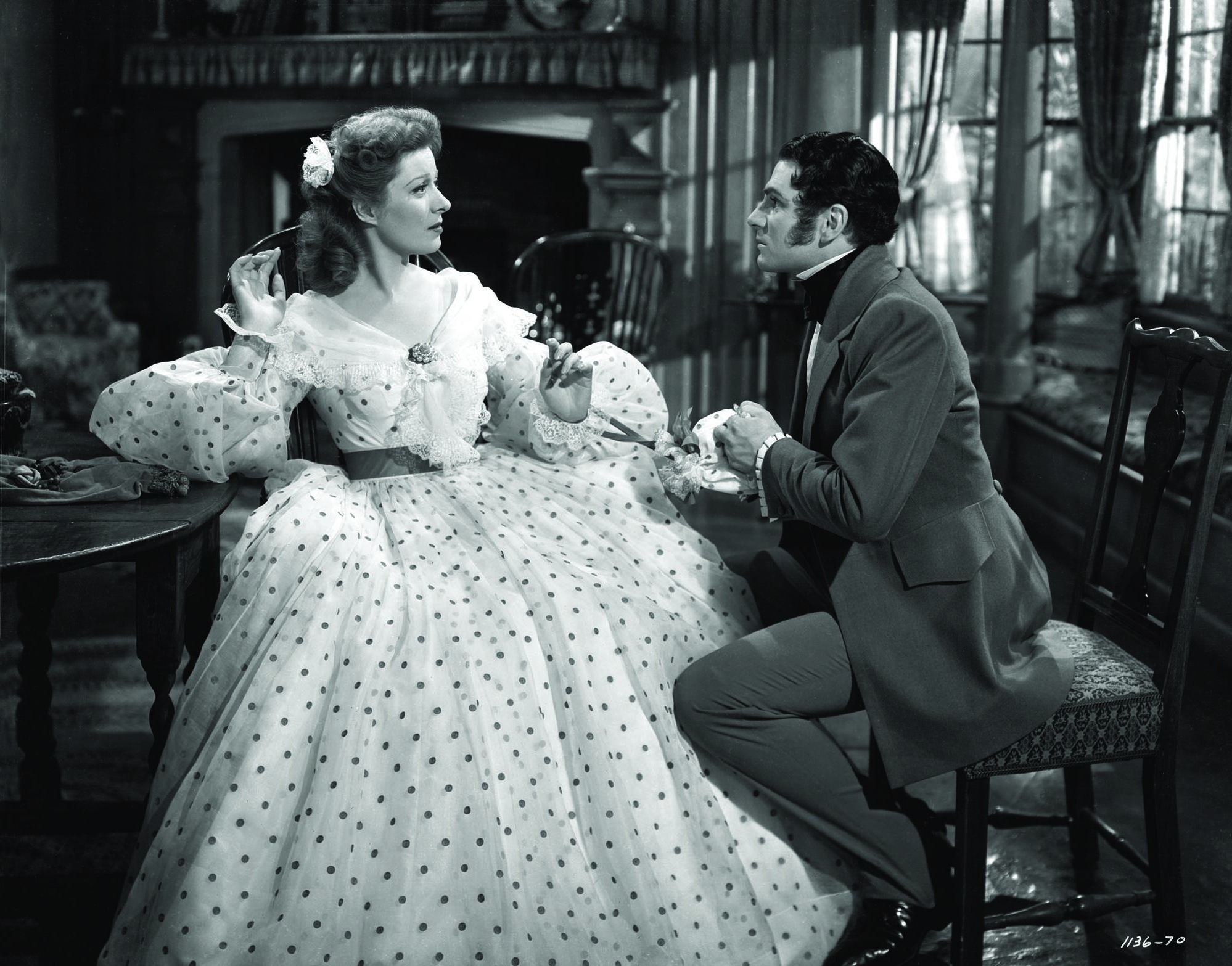
But the main reason to see it is to enjoy one of the great performances in British film—and of all time, IMHO—one which won Charles Laughton the first Best Actor Oscar given to a non-American. It’s riotous and overflows with humor and life. His take on the king can’t be considered historically accurate, but what a characterization! Laughton’s Henry is funny, angry, selfish, childish, ribald, and occasionally tender. The performance is well-rounded, and Laughton doesn’t miss a beat; there isn’t a false or lazy note here. It’s such a rich, full, and life-filled showpiece of acting that it might be considered over the top, but Henry was a huge man in all respects. Laughton was known for chewing the furniture at times, but if he can be found guilty of it here, it nevertheless works and is of a piece with his depiction from beginning to end. The film looks great for being made on a small budget, with excellent camerawork, tight editing, and a direct address at the end that is surprising even now.

All six wives are dealt with, and the mention of his first wife, Catherine of Aragon, sets the tone of the film: “Henry VIII had six wives. Catherine of Aragon was the first; but her story is of no particular interest – she was a respectable woman-so Henry divorced her. He then married Anne Boleyn. This marriage also was a failure-but not for the same reason.” Yes, this deftly evades Henry’s first long marriage, his reprehensible behavior toward her, his earth-shaking break from the Roman Catholic church, his infidelities, and his terrible treatment of his second wife, Anne Boleyn. But it quickly sets the tone and lets the viewer know that this is a tongue-in-cheek ride through the personal and generally apolitical side of Henry’s “love” life.

The parade of wives features some fascinating actress and unusual performances. Stunning Merle Oberon has a quiet role as Anne Boleyn in one of her first films, and her first as a significant character. Apparently, her beauty struck audiences when she first appeared (as someone basically unknown at this time), but her few minutes in the film preparing for her beheading are precise and surprisingly moving.

Wendy Barrie, who had a career spanning into the 1960’s, played his next wife, Jane Seymour, who gave Henry a son but who died in childbirth (and the son died at 15). Of course the most fun is had in the film with Anne of Cleves, who is reputed to have been so unlke her lovely introductory painting Henry sent her away without consummating the marriage.

This German princess is played the hilt by Laughton’s won wife, the wonderful Elsa Lanchester (Best Supporting Actress nomination for Come to the Stable and Witness for the Prosecution, though most will remember her as the Bride of Frankenstein in the film of the same name). If any performance can be considered over the top, it’s Lanchester’s though many still revel in its humor. For me, the jury is still out. Lanchester and Laughton have great comic chemistry, however, and their scenes together are the highlight of the film. Aside from the performances of the married-in-real-life couple, these scenes break up the threatened monotony of the parade of wives and provide a relaxing and joy-filled break from the disappointments and beheadings.

Binnie Barnes (The Trouble with Angels, The Last of the Mohicans, Broadway Melody of 1938) played Katherine Howard, who was actually a very young woman but is portrayed as a more mature and intelligent woman who understood the risks of an adulterous affair. Then there’s a highly inaccurate portrayal of Henry’s last wife, Katherine Parr, who is presented in the film as a nag but was known as an articulate and gentle companion to Henry in his last years (and yes, Henry had three wives named Katherine.) Parr is played in her film debut by Everley Gregg (Pygmalion, Brief Encounter, Great Expectations, known for playing anything but gentle souls.

The largest male part other than Laughton’s is played by a wonderful British actor who would wrongly win the 1939 Best Actor Oscar. The actor is Robert Donat, and the 1939 film was Goodbye, Mr. Chips (but that is for another article at another time). He plays Thomas Culpepper, who was in love with Katherin Howard, but when that relationship began is contested. In any event, they apparently were head over heels in love with one another, ending in losing those same heads to the executioner’s axe.

The film can be read politically as a reflection of its time, between the World Wars, but aware of the tensions between present-day Germany and Britain. Those familiar with British history at that moment will find occasional grace note references to then-modern sensibilities.

This was Hungarian director Alexander Korda’s breakout success after years of film work in Austria-Hungary, Vienna, Berlin, Hollywood, and France. His story is complicated, covering many countries and studios, and featuring three wives, including actresses Maria Corda and Merle Oberon (this film’s Anne Boleyn). He also opened the doors for film directors Michael Powell and Emeric Pressburger, David Lean, and Carol Reed, and actor Laurence Olivier.

I’ve often equated seeing older films with traveling, in this case, back in time. Older classics are always worth the viewing, but Laughton is the single greatest reason for seeing the film. He pulls everything together, and delivers as fresh and enjoyable performance as anything available for viewing today. Do yourself a favor, find this film, and sit back and enjoy.

Posted in Film Reviews, Older Films | Tagged , , , , , , , , , , , , , , , , , , , , , , , , , , , , , , , | Leave a comment

The Other Oscars: The Juvenile Academy Award

Did you know that July Garland, in spite of her tragic loss of the Oscar in 1955, did win an Academy Award? Other winners in this special Juvenile category include Mickey Rooney (nominated later for four other films as an adult), singer Deanna Durbin, Margaret O’Brien, and my first celebrity crush, Hayley Mills.

These were the Juvenile Academy Awards. They were given starting in the 1930s and ending in 1961 as a way of recognizing outstanding juvenile performances without forcing child actors to compete against adults in the competitive acting categories. Apparently 9-year-old Jackie Cooper’s loss in 1931 to Lionel Barrymore prompted the Academy to establish this special award for children under 18. Of course, there have been several young Oscar winners in the main acting categories since then—Patty Duke in The Miracle Worker, Tatum O’Neill in Paper Moon, Anna Paquin in The Pianist—but for a while, there seems to have been a mental divide among Academy members between younger and older actors.

Here’s a brief overview of the winners:

1934—Shirley Temple. Temple was a phenomenon in the 1930’s bringing joy in the middle of the Depression and studio-saving dollars to the Fox Film Corporation. There was no one like her in the film world or in society at the time, and Temple unequalled as America’s young sweetheart. It turned out that while she could mimic and perform with style and panache as a youngster, she really couldn’t act. But when she made her early-to-mid-1930’s film, she stood alone at the top.

1938—two winners, Deanna Durbin and Mickey Rooney. Durbin was 17 and Rooney was 18 by the time they received these awards. Durbin was a soprano singer often compared and contrasted with alto Judy Garland, and she stepped away as a young adult. Rooney was the biggest box office draw in 1939, and went on to 8 wives and a successful career.

1939—Judy Garland. Her performance in The Wizard of Oz couldn’t be ignored, and my guess is that even if she were allowed to compete with adults that year, she would have lost to Vivien Leigh for Gone with the Wind anyway. Sadly, this was her only Oscar, and it tends to be ignored by writers who don’t know that she received this.

Bob Hope presents Margaret O’Brien with the Academy’s first “Oscarette” for best performance of a child actress in 1944.

1944—Margaret O’Brien for Meet Me in St. Louis. O’Brien is both respected and sometimes dismissed as a great crier. Few could touch her for her ability to cry on cue, but she was an excellent actress who was unable to make the transition to adult roles. She later found a career on television.

1945—Peggy Ann Garner for A Tree Grows in Brooklyn and Junior Miss. Her work on the former is especially real and touching, and stands in stark contrast to many of the precocious and snarky child performances we often see today. Like O’Brien, she didn’t move into adult film roles but found success and the stage and in television. She died at the young age of 52.

1946—Claude Jarman, Jr. At 10, he landed his first film role as the star of The Yearling, a classic well-made tearjerker that was the first of his 11 films. While he made a few other films as a youngster, he never succeeded as an adult actor. He found business success behind the scenes, however, including running the San Francisco Film Festival for 15 years and producing documentaries.

1948—Ivan Jandl. This long-forgotten actor won this award for his performance as a 9-year-old Czechoslovakian Auschwitz survivor in The Search.  While this film is often remembered for Montgomery Clift’s first Oscar nomination, and the quote that was asked of the film’s director Fred Zinneman—“Where did you find a soldier who can act so well”? –Jandl is a heartbreaking revelation. He spoke no English and learned his lines phonetically, but his eyes and naturalistic acting do the heavy lifting. He wasn’t allowed by the then-Communist government to come to the US to accept his award. He appeared in some Czech films after this but gave up films and found success in radio before his death at 50.

1949—Bobby Driscoll for So Dear to My Heart and The Window. He also served as the animation model and voice for the 1953’s Peter Pan, and was set to become a major star. But he was too often pigeonholed as a child actor, found it difficult to make the transition to adult role, and while he had some radio success, his drug addiction finally took him at the age of 31.  

1954—Jon Whitely and Vincent Winter for The Little Kidnappers. These actors and this British film are largely forgotten today. Whitely continued acting in films for a few years and later became an art historian and author. Winter too acted for a few years and then worked behind the scenes as a production manager for films such as Superman III, Indiana Jones and the Temple of Doom, and 1985’s The Color Purple.

1960—Hayley Mills, the only winner still living as of this writing. Oscar-winning actor John Mill’s younger daughter won this award for Walt Disney’s Pollyanna, but should have won it the year before for Tiger Bay. She was great in 1961’s The Parent Trap (yes, the original), and in Whistle Down the Wind (a British production), and had success in In Search of the Castaways (1962) and The Chalk Garden and The Moon-Spinners (both 1964). She later made some less-successful films and some questionable life choices, and never achieved the success that her early films promised. She did television and stage work later in life and was recently seen in a small role in M. Night Shyamalan’s 2024 Trap as an FBI profiler. Her life is one of the classic “What we sadly missed because of life choices” stories in the world of film.

Posted in Uncategorized | Tagged , , , , , , , , , , , , , , , , , , , , , , , , , , , , , , , , , , , , , , , , , | Leave a comment

Mission: Impossible–The Final Reckoning

Full disclosure: I’ve semi-enjoyed the previous films in the series, but TBH, they all blur in the mind. I made sure I saw the prior film (Dead Reckoning, Part One) the night before I saw this film. That helped me with the setup of FR, which jumps right off the end of the earlier film and plunges the viewer right into the action.

Although who knows what Tom Cruise is planning on doing in the future with this series—there have been indications that this is the end, and that it’s not—this film seemed like a wrap-up … a L.O.N.G. drawn-out and overly reverential finale. I’ve not been engaged enough in the individual characters over the years, except for Simon Pegg (always enjoyable, even when playing serious), and I’ve been even less engaged with the dynamics between and among the characters. If you enjoy the characters and their interplay, then this one is for you. And there are plenty to choose from in addition to Cruise and Pegg. Of course there is Ving Rhames, who is the emotional anchor of the film. He may well be the best thing in it. Then there is Hayley Atwell, whom I’ve enjoyed in other films, but doesn’t register as strongly here. (Probably not her fault, as her character is not as strongly defined as it could have been. She’s given a lot to do, but not much to be.) It was fun to see Hannah Waddington as an Admiral, and to see Janet McTeer and Angela Bassett in roles that unfortunately barely tapped into their strengths.

Two actors brought their pervious acting personas into this film in somewhat conflicting ways. Nick Offerman is of course a comic actor, and here he is given a straight and even dramatic role. He pulls it off well, but one has to get past seeing Ron Swanson in a military uniform. Then there is Tramell Tillman, who is going to give future casting directors and directors a challenge. His character in “Severance” is fascinating and disturbing. There is an is he?/isn’t he? quality in his Mr. Milchick, and it works perfectly, if not disquietingly, in that series. But that quality needed to be pushed back here, and it wasn’t always. I wonder where his career is going to go, and if there are directors who can either use that aspect of Tillman or can help him bury it for the sake of a character. So as far as those many characters go, except for Rhames, I’m not fully on board.

I am on board, however, with the technical aspects of the film. Fraser Taggart’s cinematography is crisp and clean, with an abundance of power shots that can get a bit old as the film progresses. But otherwise, it’s a great looking film, with more depth in the images and a welcome use of shadow.

The biggest strength of the film IMHO is the soundscape. The score by Alfie Godfrey and Max Aruj is blended expertly with the sounds created by the sound department. The film should clearly get a nomination for Best Sound. In some films, Best Sound means the loudest sound. Not here. The sound is assertive without being aggressive, and works like a classical pas de deux with the visuals. It should be studied as an example of providing a full and rich music score and soundscape without overpowering what we’re watching.

The film is too long by almost an hour, unless you like elongated action scenes that are well done and extended to the point of exhaustion. There isn’t an action set piece or stunt that wasn’t stretched out, causing them to become films-within-the-film that have a life of their own and that fail to connect with the rest of the film, which does have a plot that might have been enriched by those scenes.

Also drawn out was the delivery of nearly every actor in the film. I understand that we’re doing a reverential homage here to the previous films in the series, but does that mean that we all have to speak so very slowly and enunciate so clearly so much of the time? I was longing for the tempo of a ‘40s film like White Heat or any other film that moved. I thought I’d be seeing an action movie and but ended up with a talking marathon interrupted by action set pieces. The slow speaking also extends to the so-called suspenseful scenes. When folks are on the verge of being blown up or otherwise destroyed, it’s amazing how slowly folks can speak. The absolute worst example is the long and drawn-out last scene between Cruise and Rhames. What clearly was intended to be a deeply emotional scene between two old friends moves into sheer nonsense. Spoiler alert: Rhames is going to die, he knows it, and there is nothing he can do. Nothing, that is, but warn his beloved friend Cruise that if he doesn’t get moving (i.e., fun fast), he’s not going to make it. But the goodbye is stretched out beyond credulity and instead of being emotionally realistic, it ends up being another last-minute, will-he-make-it setup for more Cruise flying on foot. It this is supposed to make Cruise’s character emotionally deep, it instead presents him as something of an idiot for waiting so long, especially when his closest friend is trying so hard to save his life.

And speaking of the 1940s, the plot here is in the same confusing league as The Big Sleep. The film is scarily both prescient and cutting-edge in its plot about AI taking over (no spoilers here). But there’s an awful lot going on, and not being a big fan of the series, the plot seemed overly complex and confusing. The bottom line was always clear, though: The world needs Tom Cruise to save it, again and again.

Then there is the TV habit of having everything explained to us as viewers by a large group of folks, each taking their turn, each taking their time, adding finally to something like a full understanding of what is going on and what needs to happen. Some of the lines here are laughable:

  • “I need you to trust me…one last time.”
  • “Every risk you’ve taken, every comrade you’ve lost in the field, every personal sacrifice you made, has brought this world another sunrise.”
  • “For every life you try to save, you gamble millions more. And now the fate of every living soul on Earth is your responsibility.”
  • And my favorite: “It’s just pain.”

But then there was the humor around the cutting of the red wire—well done. And “You’re spending too much time on the internet” garnered a good laugh.

I experience three Tom Cruises. One is the serious actor that can do both heavy thespian lifting and classic comic roles (e.g., Born on the Fourth of July, Magnolia, Tropic Thunder). Then there is the action star (take your pick). This film features the aging star at his finest, running (sometimes unnecessarily) everywhere with great abandon, and showing us again and again and again what incredible shape he is in for a 60-year-old. And then there is the wackadoo Cruise who challenges folks on medications and who avail themselves of counseling help, and who has a scary relationship with the even scarier Scientology leader David Miscavige.  (You can see a starter video at https://www.reddit.com/r/Fauxmoi/comments/1lc7t7b/tom_cruises_2004_acceptance_speech_for/). But honestly, a deep dive is available and recommended on how crazy Cruise is if you just begin to look, especially with films such Going Clear: Scientology and the Prison of Belief or Leah Remini’s brave series, “Leah Remini: Scientology and the Aftermath.”

If you are a dedicated MI fan à la Star Wars, then it may well work as an enjoyable homage to the entire series. If you’re looking for a great action film that moves the plot along with energy and verve, this isn’t it.

Posted in Film Reviews, Newer films | Tagged , , , , , , , , , , , , , , , , , , , , , , , , , , , , , , | Leave a comment

Strait Undercover

The plot of Strait Undercover is described on IMDB as “A biotech company secretly housing a government contract for terminator seeds and a Nexxus robot is infiltrated by a low-level USDA agent who connects telepathically with nature.” Sounds bizarre, and it is. But that doesn’t matter at all, as the plot is just an opportunity to highlight the acting talents of Race Eberhardt, who is reported as being the first person with obvious disabilities to be the lead in a film that never calls attention to his disabilities. There have been many actors, genuinely disabled or not, who have played similar leads in other films (e.g., The Theory of Everything, I Am Sam, What’s Eating Gilbert Grape, The Peanut Butter Falcon, etc.), but this one ignores Race’s disabilities completely and puts him squarely in the lead role without comment.

I can’t be objective here for a couple of reasons. One is that I know Race personally and have for a few years now. The other is that Race’s acting career began with Artists Unlimited, a Rochester, New York-based theatrical troupe that “provides opportunities for individuals with developmental, physical, or intellectual disabilities to participate in the performing arts.” Race is an integral part of Artists Umlimited. I have been one of the artistic directors at AU for a few years, and have recently joined the Board of Directors as well.

This is a low-budget film with few “real actors” that won’t ever be nominated for an Oscar, although the film looks great. But Race in the lead is a revelation. Writer/director Ben Genyo, who discovered Race a few years ago and decided to build a film around him, uses his main actor as well as any director ever used his lead. Race has a lot of strengths as an actor: he can be funny, angry, loud, and thoughtful, and Gonyo finds and pulls out that acting “sweet spot” in every scene. He clearly knows what Race is capable of, and he draws out his best in every scene.

It takes a few minutes to adjust to having a disabled person as the lead character in a film that draws zero attention to that. But once you get used to Race’s rhythms and personality, it becomes delightful.

If I were writing my typical film analysis (see www.film-prof.com), I might go into the other actors, the editing, the production values, and the intriguing twists and turns of the plot. That’s not necessary here. The plot is bonkers but fun, and the only standout visually is some truly beautiful shots of western New York State, from beautiful landscape shots to old, classic farmhouses. Yes, Strait Undercover is low-budget and independent, but it’s also groundbreaking. If you thought you couldn’t enjoy such a film, just give yourself the opportunity—if you can find it—to see how a good director with sensitivity and insight can locate and draw out the treasures inside his lead.

Posted in Film Reviews, Newer films | Tagged , , , , , , , , , , , , | Leave a comment

Yentl

My head is still spinning after my recent rewatch of 1983’s Yentl after originally seeing it in the theater when it was released. Spinning because so much of it was so very good, spinning because much of it was so not good, spinning because there are so many moving parts to consider—and because it’s been hard to view the film as a film apart from all that has been written around it—including from director Barbra Streisand herself. It’s been presented as an example of sexism in the industry, from getting it off the ground to the uneven awards attention to it. It departed significantly from the original short story from Isaac Bashevis Singer, and that provoked some backlash, most strongly from the author. Streisand and the film echoed Orson Welles’ Citizen Kane in that it was her first directorial feature, she produced it, co-wrote it, and starred in it—exactly like Welles and Kane. And exactly like Welles and Kane, there was a great deal of personal animosity around her probably rooted in jealousy, and also, probably, due to personality conflicts with a strong temperament.

Overall, this is a solid-directed film that looks great, thanks to Streisand’s eye, the cinematography by David Watkin (Oscar for this work on Out of Africa), and the production designers. Streisand had a limited budget but made the best of it with her use of small, well-lit rooms and some lovely landscape shots. There is a confidence and artistry at work that is seldom found in a first film. The “No Wonder” scene (https://www.youtube.com/watch?v=yAgMoKBGjT8) is a master class in camera movement, lighting, timing of lines, singing, and acting. It’s complex, touching, and extraordinary.

Continuing with what works, we have Tony-winning actor Mandy Patinkin in his first film. Streisand reports a lot of problems with him, both due to personality conflicts, his attitude, and his making the often-difficult transition from stage to film acting. She originally wanted Richard Gere, partly for his looks. But Patinkin was Jewish, looked right for the part, and was excellent in the role. He was strong, funny, angry, hurt, excited, and in love at all the right moments. Streisand apparently had to work with him to introduce stillness into his performance and to forego theatrical mannerisms, and to her great credit, she clearly succeeded. In spite of Streisand’s overwhelming presence in the film, Patinkin gives the better performance

Amy Irving has the responsibility of looking softly beautiful and acting genuinely sweet à la Melanie in Gone with Wind. She succeeds on both fronts.

Then there are the difficulties: the script/story and the central performance. Streisand and co-writer Jack Rosenthal veered away from the more realistic but downbeat story of Singer’s tale and turned it into a feminist manifesto. Yes, the story is of a young woman who wants to read but can’t because her Jewish culture only gave that privilege to men, and therefore she dresses like a man and pretends. The genuine pathos of that is unfortunately driven into the ground by the unsubtle repetition of that major dilemma, making us connect more closely with Patinkin’s character as he gets his fill of Yentl’s ceaseless questioning and challenging. Nuance, and therefore deep pathos, are sacrificed as we are told, endlessly, what’s wrong and why it should change.

Also, and most regrettably, the ending has the central character embracing her identity as a woman and going to America!, where women are free to read. So instead of a moving, focused, perhaps sad story of a woman torn by culture who faces an uncertain future, we are given a girl-power, find-my-true-self, I-am-woman-hear-me-roar filmic manifesto. That may have been fresh in 1983….

Plus, that closing sequence, essentially a complete repeat of the ending of her first film, Funny Girl, just nails that ‘80s female empowerment story trajectory down. Streisand/Yentl (at this point, there is no distinction) is on a boat, singing her guts (if not her heart) out and proving once more that she is one of the great singers of her generation and can hold out a note like nobody’s business. And that’s just indicative of one of the film’s biggest problems, and that is Streisand’s performance. One is tempted to say that she should have either acted or directed, but not both. I would agree with that, but that thought is relegated to the dustbin of “if only”.

There is a full, luscious, and romantic score by Michel Legrand (winning the only Oscar for the film, plus previous Oscars for the score of Summer of ’42 and the song “Windmills of Your Mind” from 1969’s The Thomas Crown Affair. (Lyrics for all three wins were by Alan Bergman and Marilyn Bergman.) There is a certain sameness to the various songs, but they are by the same composer, and arranged in a specific unvarying style, and sung in a uniform style by Streisand.

That’s where some of the head-spinning comes from. Streisand has a glorious voice, but it stays unchangingly beautiful throughout and that beautiful voice seems to determine more than it should. It doesn’t bend to the character or the situation as much as it bends to the ideal of the perfect Streisand vocal performance. Yes, she acts in each song to a point, but the lovely voice and stunning vocal interpretation take precedence; the acting is subservient to the gorgeous sounds we’re hearing. With few exceptions (“No Wonder” being the great exception) we rarely experience anything but perfect and lovely singing, and we’re left less affected by the story or the character as much as by the impression that, darn, that girl can sing!!

Then there’s her performance. Yentl is a fable, which can account for a young-looking 40-year-old female getting away with acting like a man two decades her junior. That smooth face, those beautiful nails on her hands, that voice that in spite of a few seconds of her trying to speech in a lower pitch, still sounds like a young girl—they all are something we and the film’s characters are expected to accept as a version of manhood. When Yentl gets emotional, or even when she doesn’t, she sounds like no male on earth.

But even with accepting the fairy-tale aspect of the story, we have an uneven central performance. Streisand’s vocals and her intensity when acting can cover a multitude of thespian missteps, which are so constant throughout the film that it is easy to just accept them or ignore them. Streisand is a legendarily self-focused performer, and when she’s acting, she’s acting—one can see it. We see the work, the focus, the dedication. But then there are moments when she is obviously not paying attention to what she’s doing, and some grace notes appear. Usually they are when she is unselfconsciously reacting to someone else, and we get a glimpse of what the performance might have been if directed by someone who could have challenged her to let go and accept someone else’s direction.

Then there is the actual character of Yentl, or Anshel, which is Yentl’s “undercover” name. Must as she might have tried, Streisand seemed unable to shake off the American Yiddish mannerisms that worked so well in Funny Girl, and instead comes across as Sadie from Brooklyn far too often. Instead of Singer’s “Yentl, the Yeshiva Boy” (the original story’s title), we far too often have “Rose the Borsch Belt Comedienne.” The Fanny Brice intonations are so threaded into the performance that there is no escaping them, and we can become inured to them. But that doesn’t make them right for the part.

Perhaps because I am a singer and work with singers and actors to get the best performances from them, I am more sensitive to elements of singing and acting that don’t work for a play or film. Streisand’s performances as singer and actor are powerful and engaging, but they are to the detriment of a film that in all other ways is a handsome picture with some good performances. And finally, and simply, it has some of the best singing that, while not always appropriate in context, is some of the most entrancing you’ll ever hear.

Posted in Film Reviews, Older Films | Tagged , , , , , , , , , , , , , , , , , , , , , , | Leave a comment