

Condon, Scott and Fraser
I just missed the theatrical showing of Pressure due to illness, but the film still looks great on the streaming platform. It’s a serious film with an ironically punned title, taking place a few days before D-Day was launched. The first pressure of course is the weight of the decision on when exactly to launch, and how to determine if June 5 would be the best day. Since this is also about weather and its effect on the timing of the invasion, keeping an eye on atmospheric pressure becomes an increasingly important aspect.
The film is what they used to call “lean and mean,” coming in at just 140 minutes and containing a forward drive that rarely lets up. Since anyone who knows the history of the war knows when D-Day was, the question is who is going to convince Gen. Eisenhower (Brendan Fraser) to move it to its eventual date. Of course, there are those involved the argument who use one approach to prediction (historical data) and the one (sic) brave meteorological genius who eventually and intriguingly gets it right.
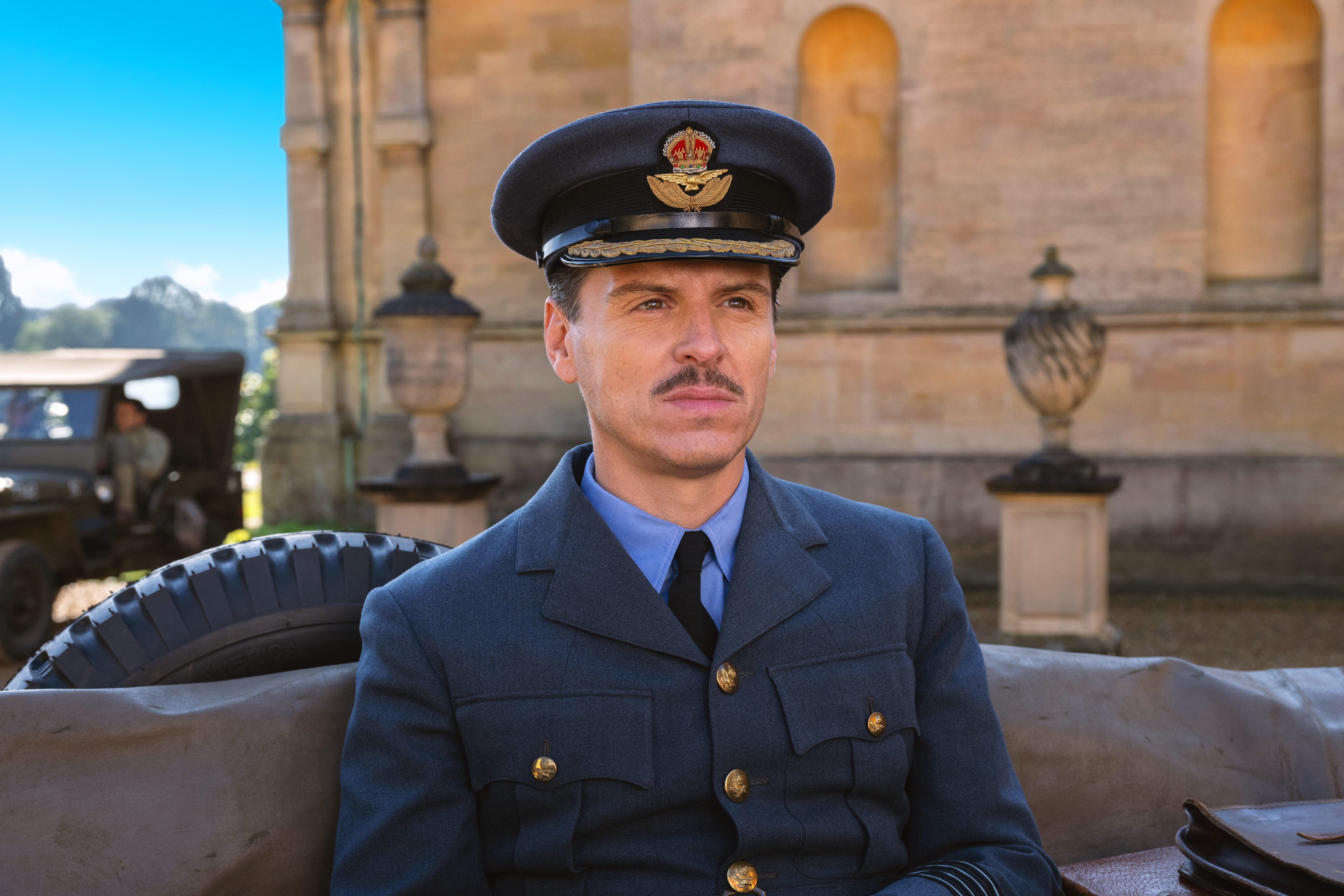
That British meteorologist, Group Captain James Stagg, is played to near perfection by Andrew Scott, who has his loud moments, but dominates the film throughout, even when speaking softly. It’s a focused and contained performance, and I hope he gets some year-end awards attention for it.
Fraser, unfortunately, is miscast as Eisenhower. Fraser’s natural caring comes through, as do his frustration and occasional sharp edges. But the performance doesn’t contain the right flavor and the specific authority Ike had, and it is Fraser’s likability and empathy that are ineffectually working to carry the day.
Likeable American Chris Messina has the thankless task of being the meteorologist (spoiler alert) that is sure about his predictions but is wrong nonetheless. We don’t hate him because he’s Chris Messina, but his character’s stubbornness and arrogance chip away at his innate likability.
“Band of Brothers”’ Damien Lewis (also “Wolf Hall,” “Billions” and “Homeland”) plays General Montgomery as the stubborn, overly focused man he apparently was. It’s an unusual performance, as it borders on the edge of super-silly and supercilious. It’s easy to understand Winston Churchill’s famous quote about him: “In defeat, unbeatable; in victory, unbearable.” If he were considered the old man out with Eisenhower, Patton, MacArthur, and Marshall, this film and this performance suggest why.
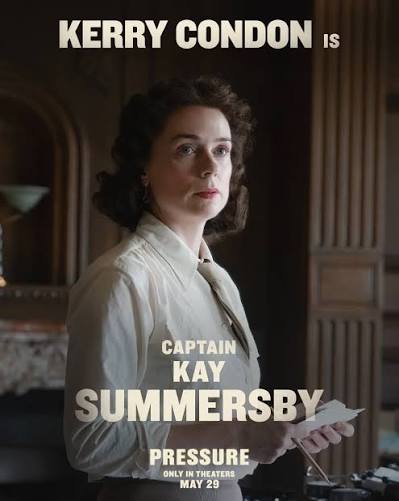
The film is stolen by Kerry Condon as Kay Summersby, who was Ike’s driver and close associate. Their relationship may have been romantic, either at this time or later, and thankfully the film never goes there. But her performance is spot on and is even stronger that Scott’s. She holds her own in every scene and is the most authoritative and full-bodied character in the film. With a cast of nearly all men and only one strong female character, she somehow manages to balance the movie between the two sexes by virtue of her performance.
Australian co-writer/editor/director Anthony Maras (Hotel Mumbai) has opened his 2014 stage play in a way that others could benefit from modeling. He keeps things tight, doesn’t open things up visually until near the end, and never lets the tension dissipate for too long. He also wisely colorizes the stock footage he has and integrates it nearly seamlessly into the action. The story stays the star, never the director, and even the two excellent performances are done in service to a world-changing story.
Of course, regrettably in a series of events that have enough tension and drive of its own, there are some unnecessary dramatic additions, a near-omission and a completely omission. The dramatic addition was to do with Stagg’s pregnant wife, as if the greatest land invasion in the history of the world didn’t bring enough heft. The near omission was Maureen Sweeney, an Irish weatherwoman whose input was crucial to the shift to June 6. She gets a brief mention toward the end (see “Three Days in June: The Story of the D-Day Forecast” for a more complete look at her immense contribution.)
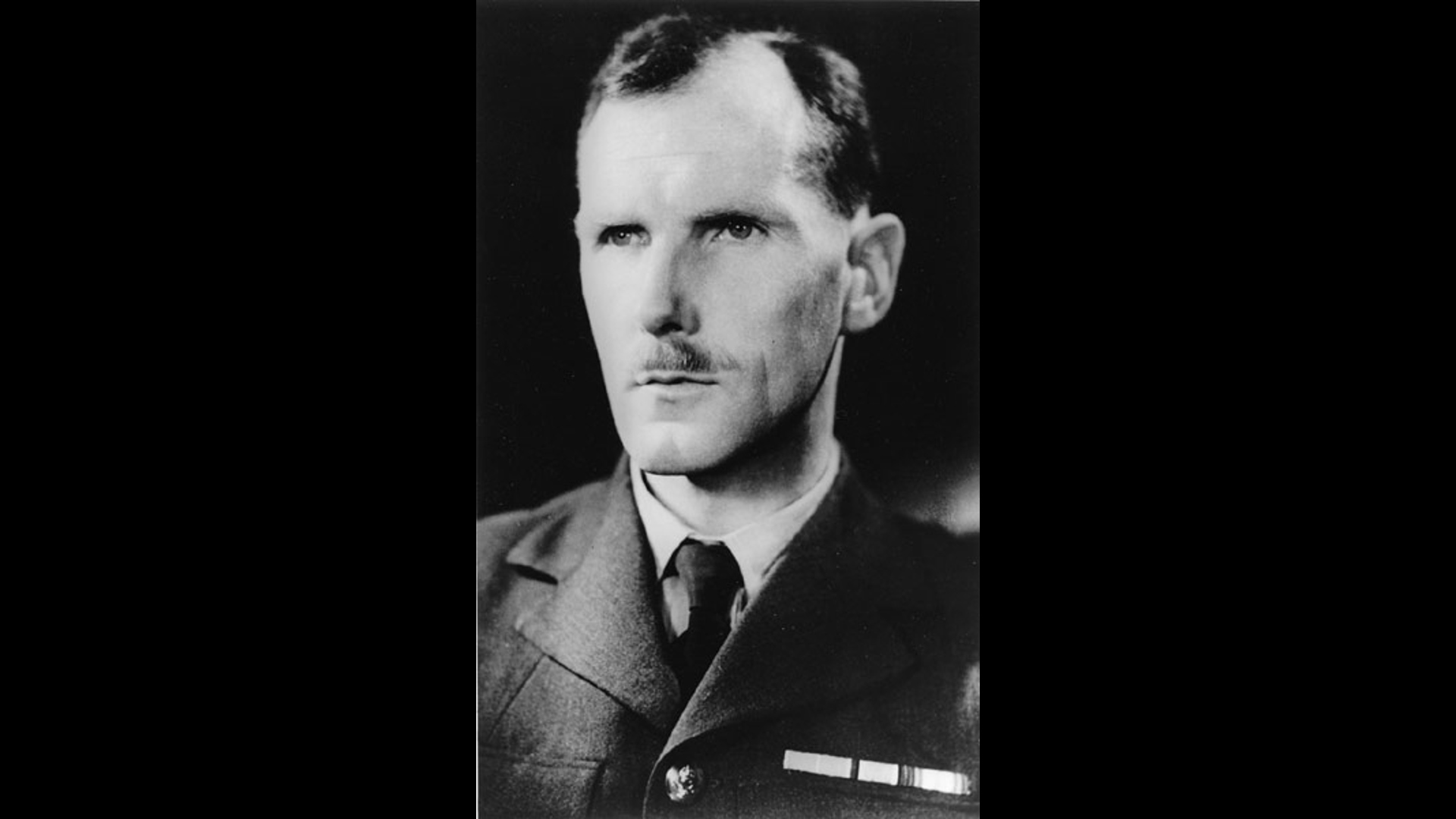
Also, Norwegian weatherman Sverre Petterssen was apparently as important to the decision to change the date as was Stagg, but he is not even mentioned.
Nevertheless, the film is well worth watching for the two main performances (Scott and Conden), and for an ever-building behind-the-scenes look at the intense work and dynamics that went behind that all-important date change.
Petterssen (right)


 Film stuff by Mark